Riga from Prague for long weekends with Ryanair
55 €



For many travellers, changing flights at the airport is the most stressful part of the whole journey.
Will I make it in time? What if my first flight is delayed? Do I have to go through security again? What about my suitcase? Can I leave the airport if I have a long lay-over?
We explain the details below.
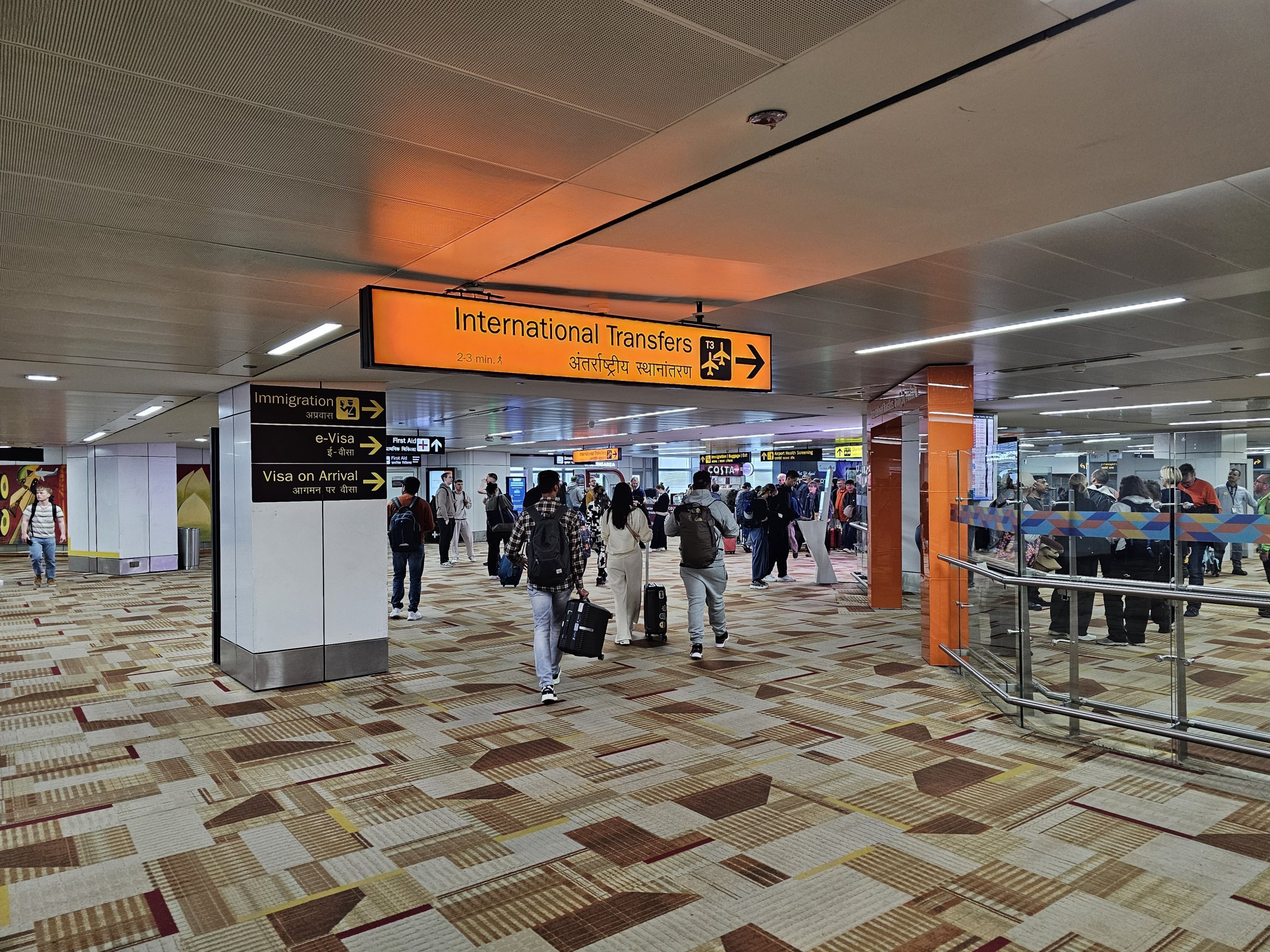
The key to understanding the following sections is knowing the difference between a guaranteed and a non-guaranteed connection.
This means that all your flights are on a single booking (purchased in a single transaction).
What happens if I miss my connection?
A non-guaranteed connection, on the other hand, arises when you decide on your own initiative to buy one ticket and then purchase another one separately.
In such a case:
Compare flights with a connection – skyscanner.com
This is a question that almost every traveller asks themselves.
The reality is that 45 minutes can be perfectly fine, whilst even two hours is sometimes not enough.
It mainly depends on:
| Type of transfer | Actual times |
|---|---|
| Schengen- <-> Schengen Domestic <-> Domestic |
30 to 65 minutes |
| Non-Schengen <-> Schengen | 45 to 90 minutes |
| International -> Domestic | 60 to 120 minutes |
| Major airports (e.g. LHR, CDG, DXB) | 75 to 120 minutes |
| Self-transfer | ideally 3+ hours |
| First arrival in the USA | 2–3 hours |
If you are booking flights as part of a single booking, the airline must adhere to the so-called minimum connection time and the connection is officially feasible.
Every airport has a set minimum connection time.
This determines:
The minimum time varies depending on the airport, terminal and type of flight. It will differ for Frankfurt, Riyadh, Los Angeles and Heathrow.
So, whatever your connection time may be when booking guaranteed connecting flights, it is always sufficient and there is no need to worry.
Short transfer times are usually fine, provided that:
In these situations, even 50 minutes can be completely stress-free.
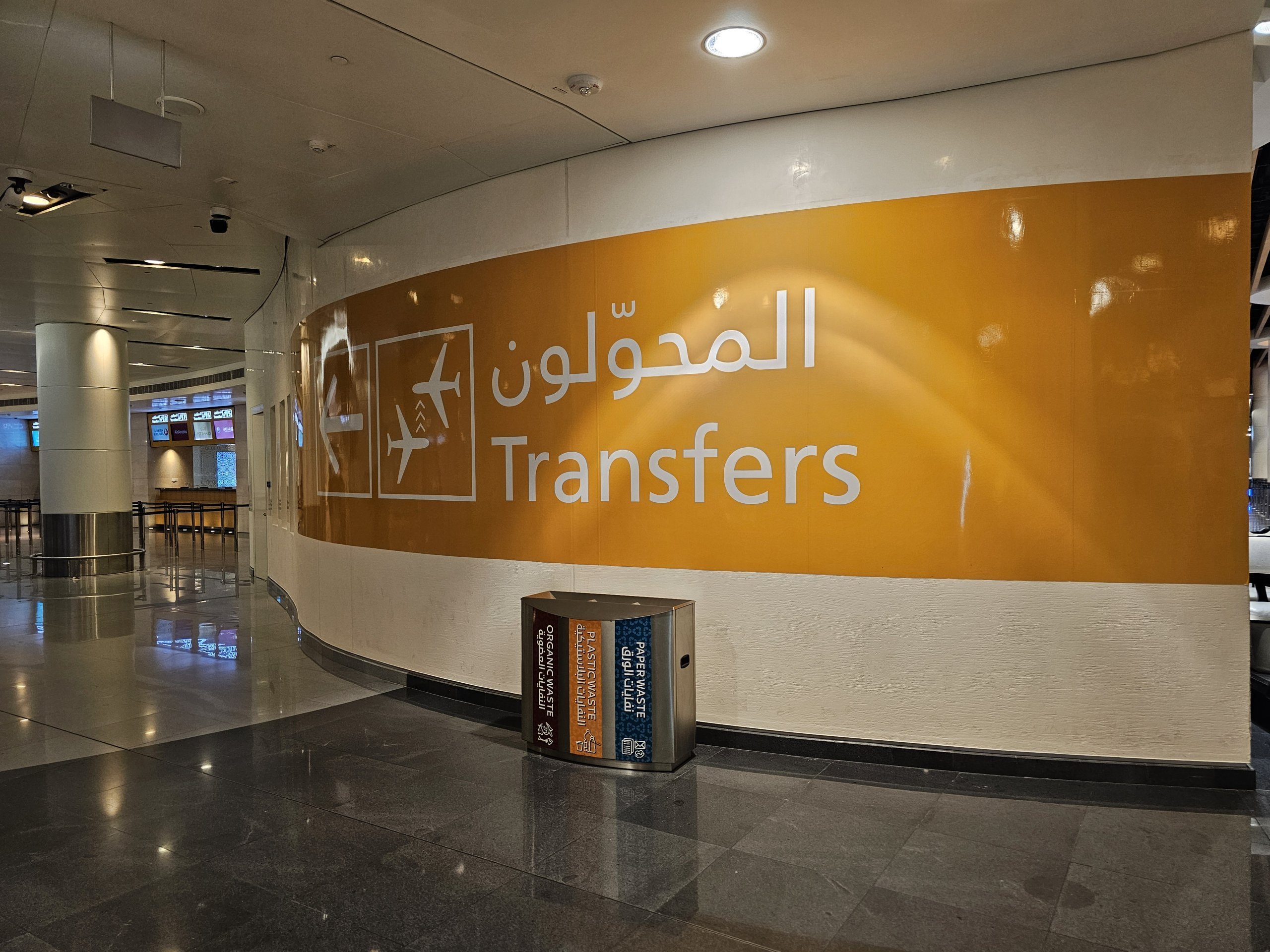
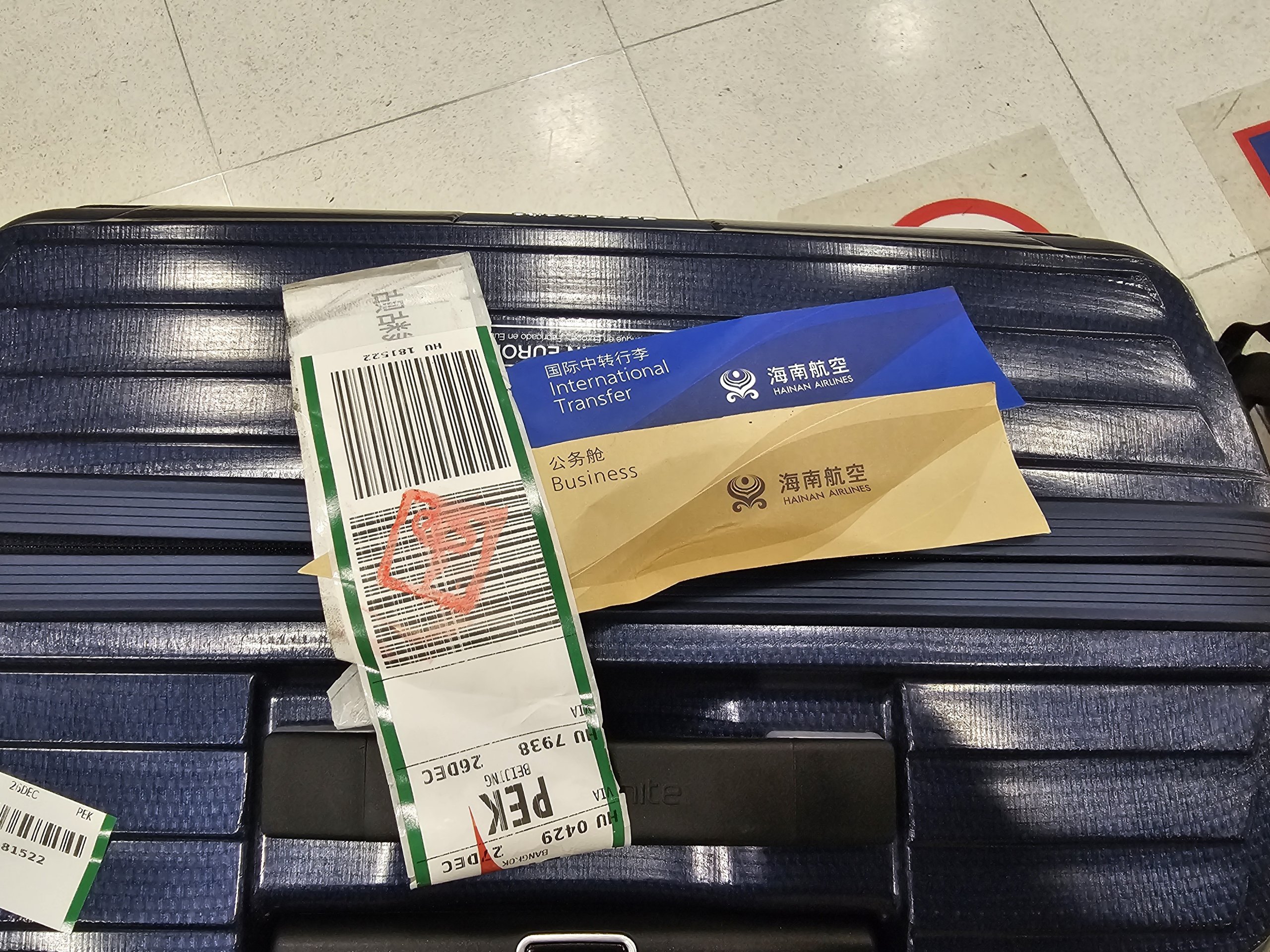
What about your luggage if you have one or more connections?
In most cases, your luggage will be forwarded directly to your final destination.
Your luggage will be automatically transferred during a connection, particularly in the following cases:
You must collect and re-check your luggage when transferring, particularly in the following cases:
You will always be informed where to collect your luggage at check-in when you hand over your bags.
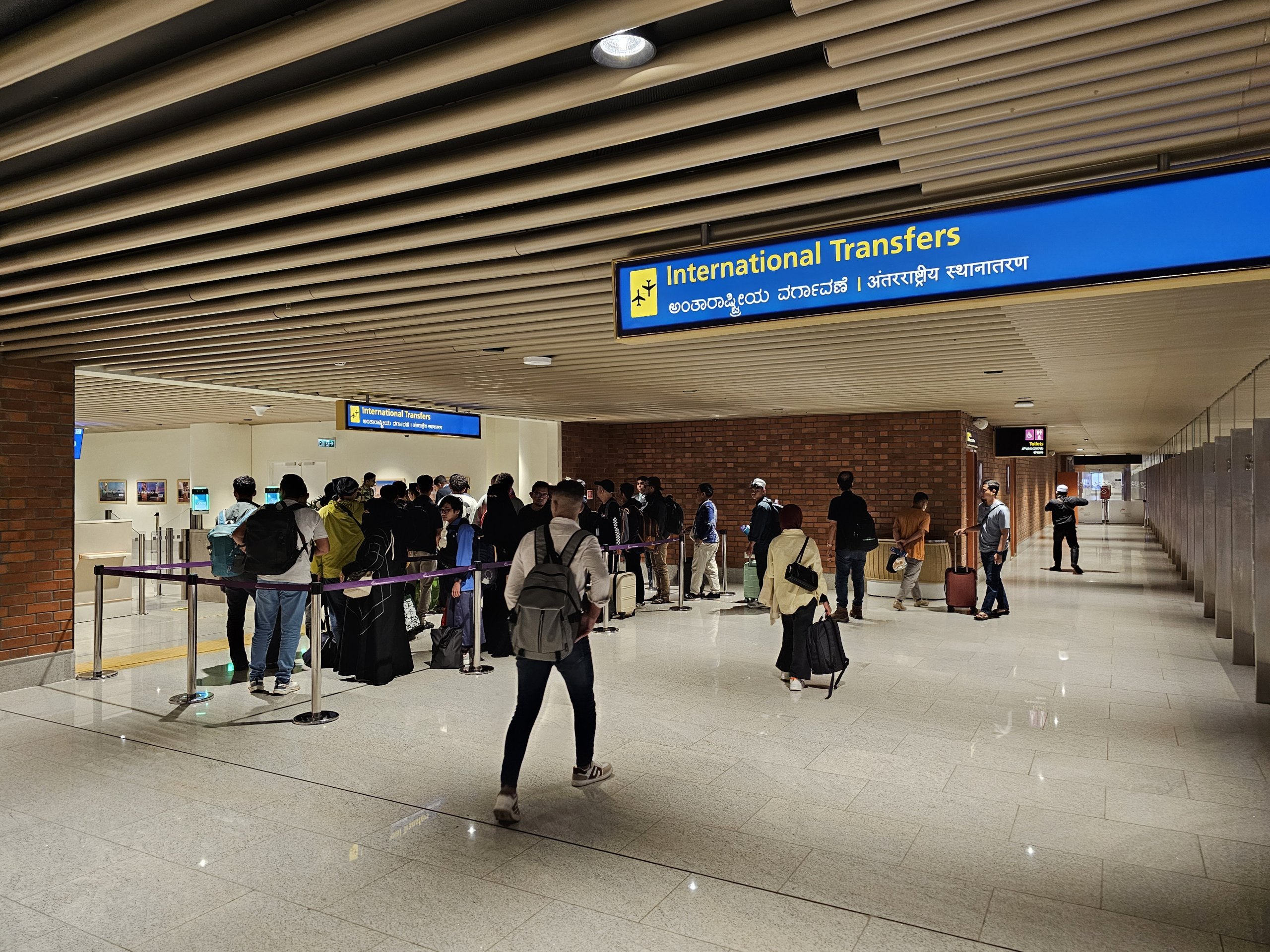
It depends on the route, but also on the specific airport.
From my own experience, I know that in Europe, for example, you never have to go through security when transferring if you’re travelling between Schengen countries or if you’re arriving from the US, for instance.
At some airports, you do not need to go through security screening if you have a domestic-to-domestic transfer <-> or a domestic-to-international or international-to-international transfer <->
Generally speaking, however, it is more common to have to go through security screening.
At some airports, however, there are special queues for passengers with short layovers.
In most cases, you will receive all your boarding passes when you check in for your first flight.
Simply keep them safe and use them when you board your next flight.
If you do not receive a boarding pass for your next flight:
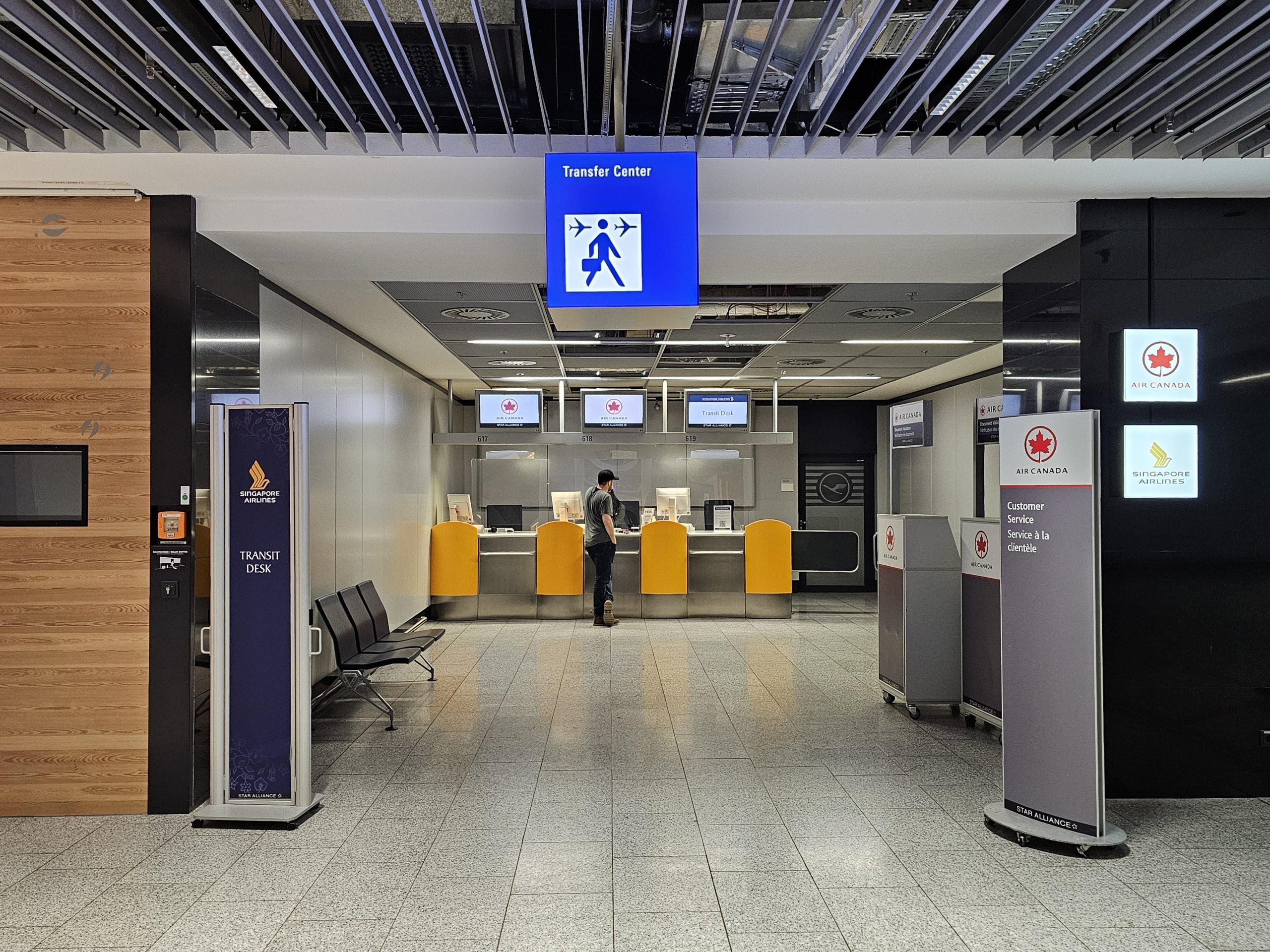
The airport is recognised as an international zone, so if you are transferring between two international flights within the transit area and do not leave the airport terminal, you do not need to apply for a visa.
Generally, you do not go through passport control and do not need a visa in the following cases:
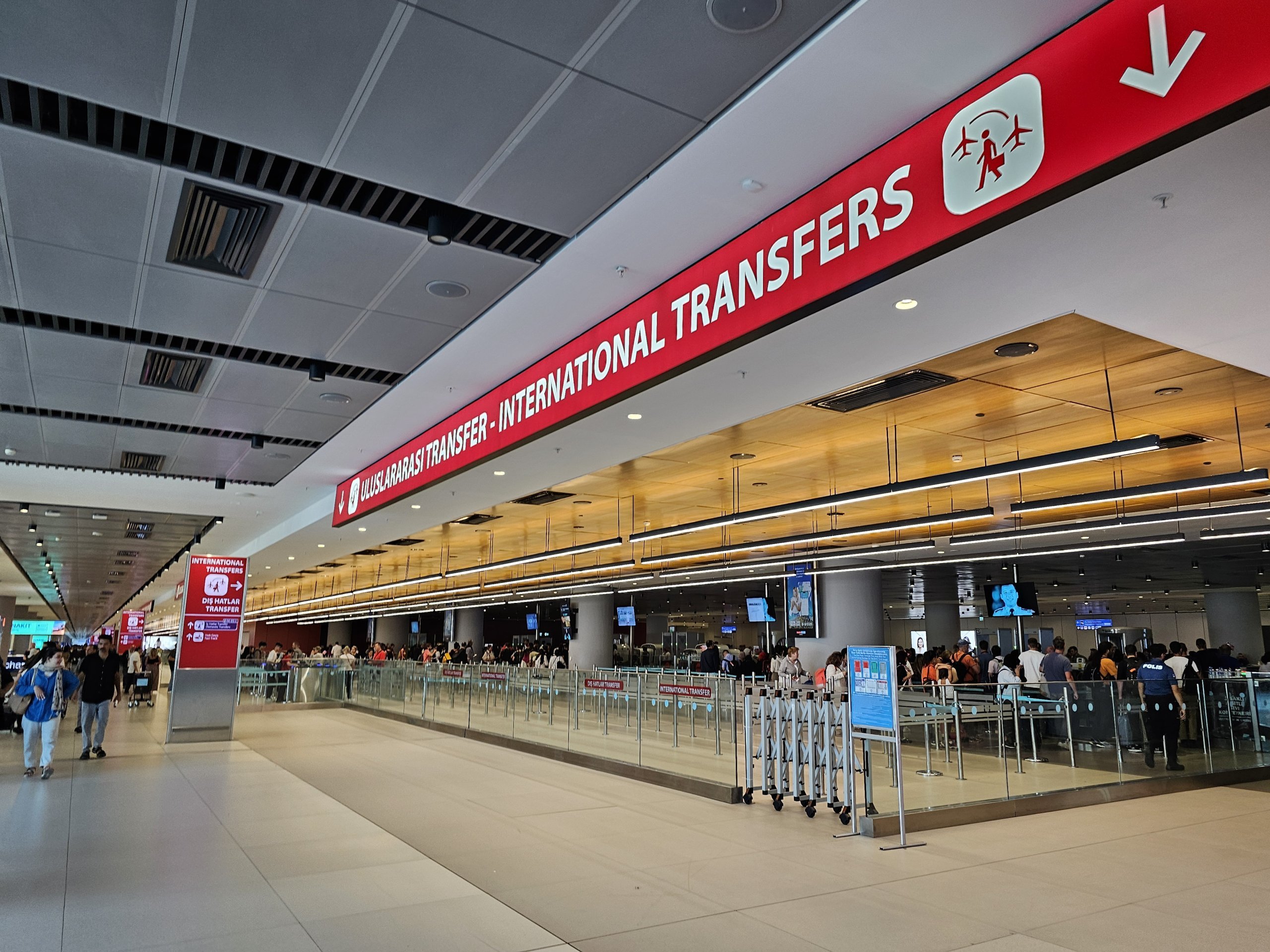
You will go through passport control and therefore require a visa (unless you have visa-free travel with the country in question), for example in the following cases:
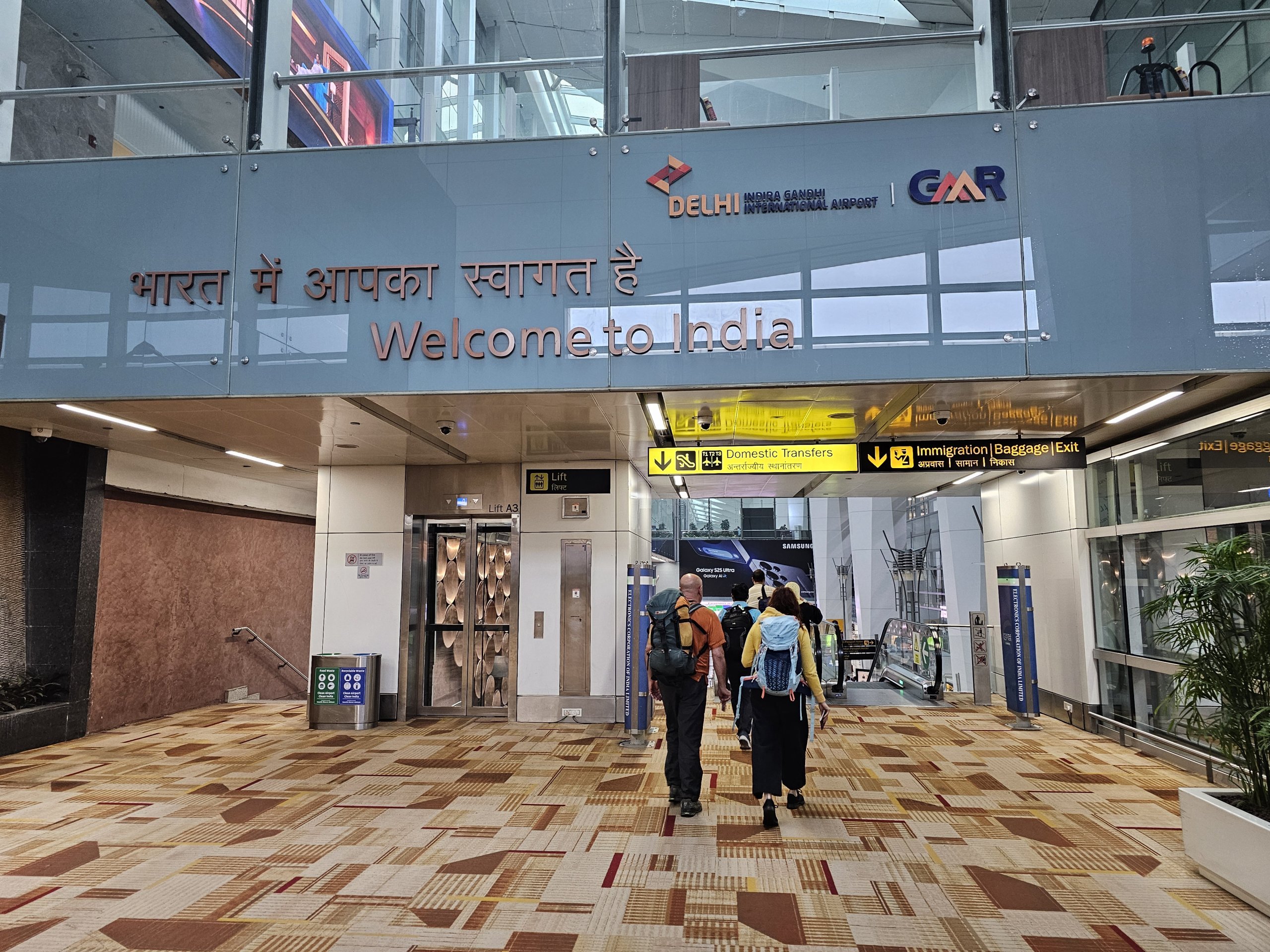
Do you have a long lay-over and want to explore the city? Usually, that’s no problem.
You can leave the airport whilst changing flights if:
You must remain at the airport during your transit if:
Some airports also offer free organised city tours whilst you’re in transit.

In practice, there are several situations in which passengers often make mistakes:
Before buying a flight ticket, I consider the following factors:
Even before I set off, I always draw up a quick checklist for my connections:
Once I’ve bought my ticket:
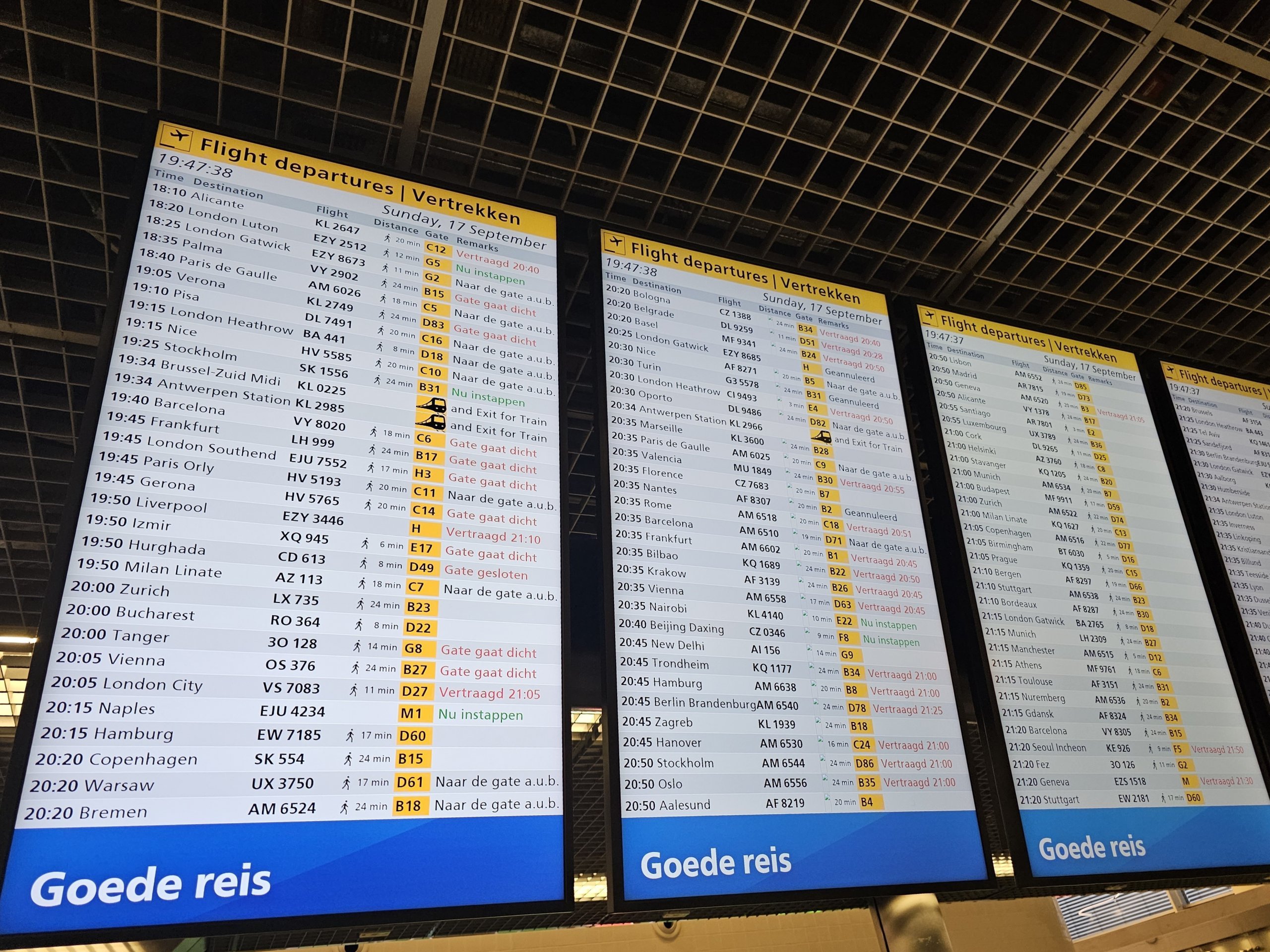
At some airports, transfers may take longer due to the size or layout of the terminals.
There are airports where I’ve found it worthwhile on several occasions to choose a connection with a longer transfer time, as they are known for their long queues or poorly organised procedures.
I describe my own experiences on these pages:
If you have an overnight stopover or one lasting longer than 6–8 hours, a hotel near the airport can be considerably more comfortable than waiting in the terminal.
Airport hotels are generally designed for short stays:
For very long layovers, a hotel may be a better option than heading into the city centre, as it saves you both time and stress.
Some airports even have hotels located directly in the transit area, meaning you don’t have to go through passport control at all.
Examples of hotels within the transit area (airside):
Find a hotel near the airport for 1 night
In most cases, changing flights at the airport is a simple and routine matter.
You just need to remember three things:
Then the connection will usually go smoothly.
Transfers are sometimes accompanied by perks such asfree accommodation whilst waiting for your connecting flight.
If you have any questions or comments about the article...