Head for the sun in Málaga, even in the middle of winter, with direct flights from Ostrava
43 €



What is there to do on the Great Ocean Road? What activities are worth travelling to the southernmost part of the state of Victoria for?
The Great Ocean Road is a popular road trip route stretching over 240 km.
Head here primarily for the natural beauty and scenery.
Hire a car at Melbourne Airport
The Great Ocean Road passes through two well-known national parks. There is no entrance fee for either of them, and there are no restrictions on vehicle access.
The landscape around the Great Ocean Road is stunning, and the road is lined with numerous viewpoints with car parks where you can always stop free of charge.
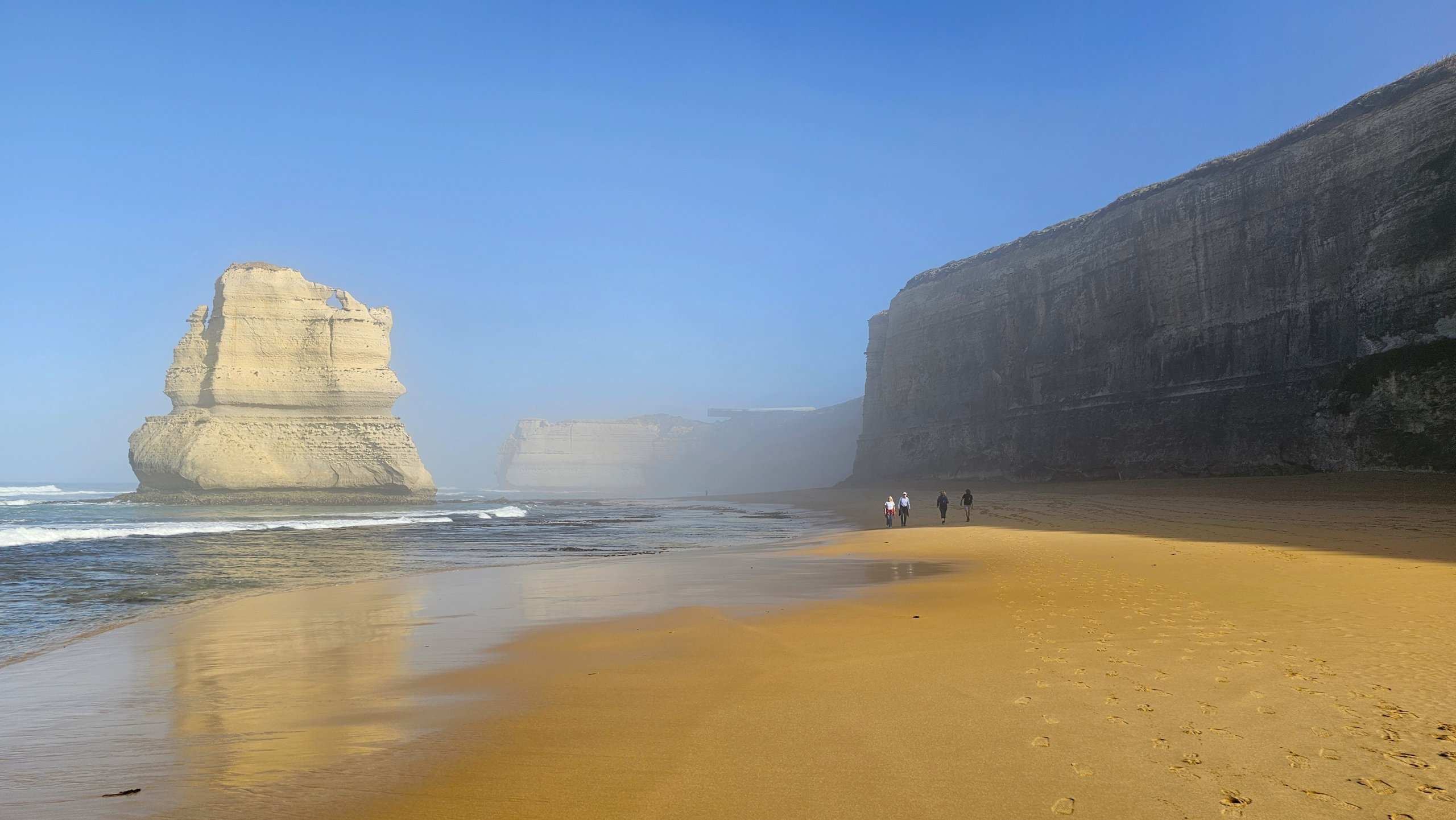
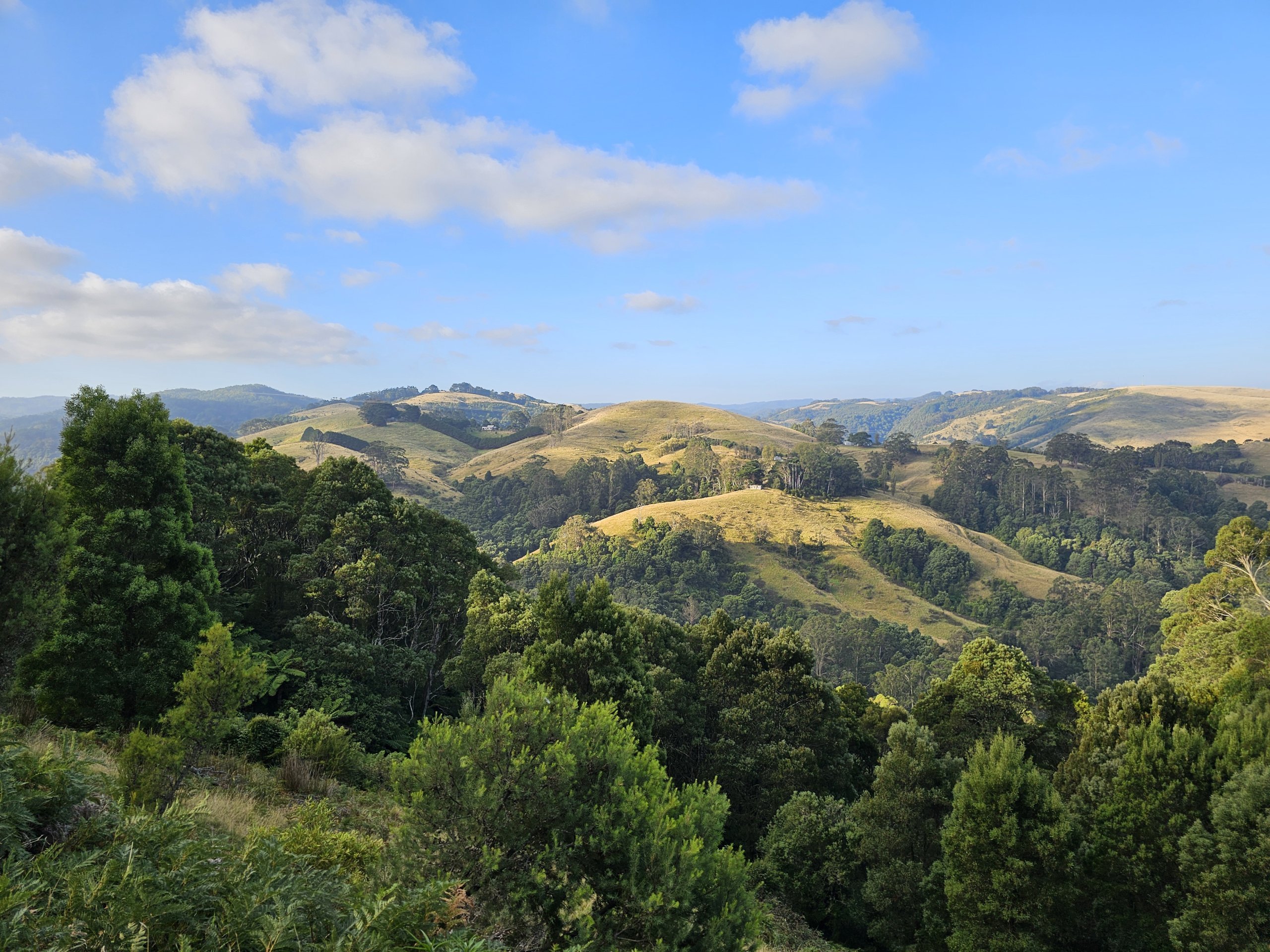
The whole area along the Great Ocean Road is a hiker’s paradise.
You can set off on dozens of short walks, ideal for 30- to 60-minute stops during a road trip, but you can also enjoy multi-day hikes along the famous Great Ocean Walk.
Along the Great Ocean Road, you’ll find dozens, perhaps hundreds, of natural attractions just a few minutes’ walk from the car parks.
There are plenty of walking trails through the woods that will take you deep into the temperate rainforests, and although you may feel as though you’re cut off from civilisation, you’ll be back at your car within 15 minutes.
These short walks are ideal for road-trippers, as well as less experienced walkers, children and older people.
Which short trips did we enjoy the most?
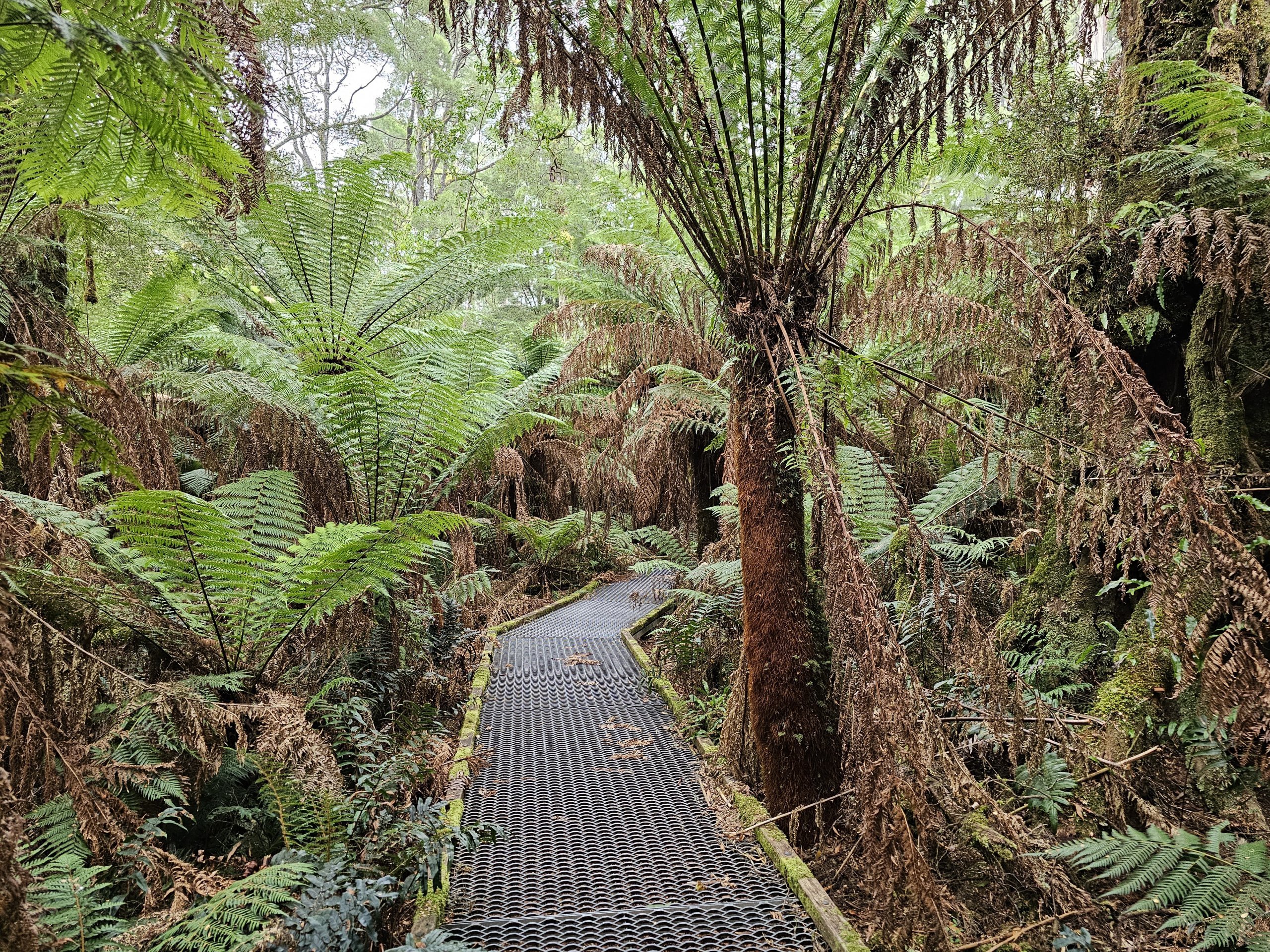
Stretching over 110 km, the Great Ocean Walk is the best-known long-distance trail in Victoria and one of the most famous in the whole of Australia.
Visit places where it will be just you, the breathtaking scenery, and the only sounds will be the wind and the waves crashing against the monumental limestone cliffs.
The Great Ocean Walk leads from Apollo Bay to the main viewpoint of the Twelve Apostles.
The cheapest hotels in Apollo Bay
The trail runs mainly through uninhabited areas. Along the way, you’ll come across no more than a couple of farms, numerous beaches and many breathtaking views, and you’ll walk through rainforests and low scrubland.
The main landmark you’ll come across on the GOW is Australia’s oldest lighthouse, Cape Otway.
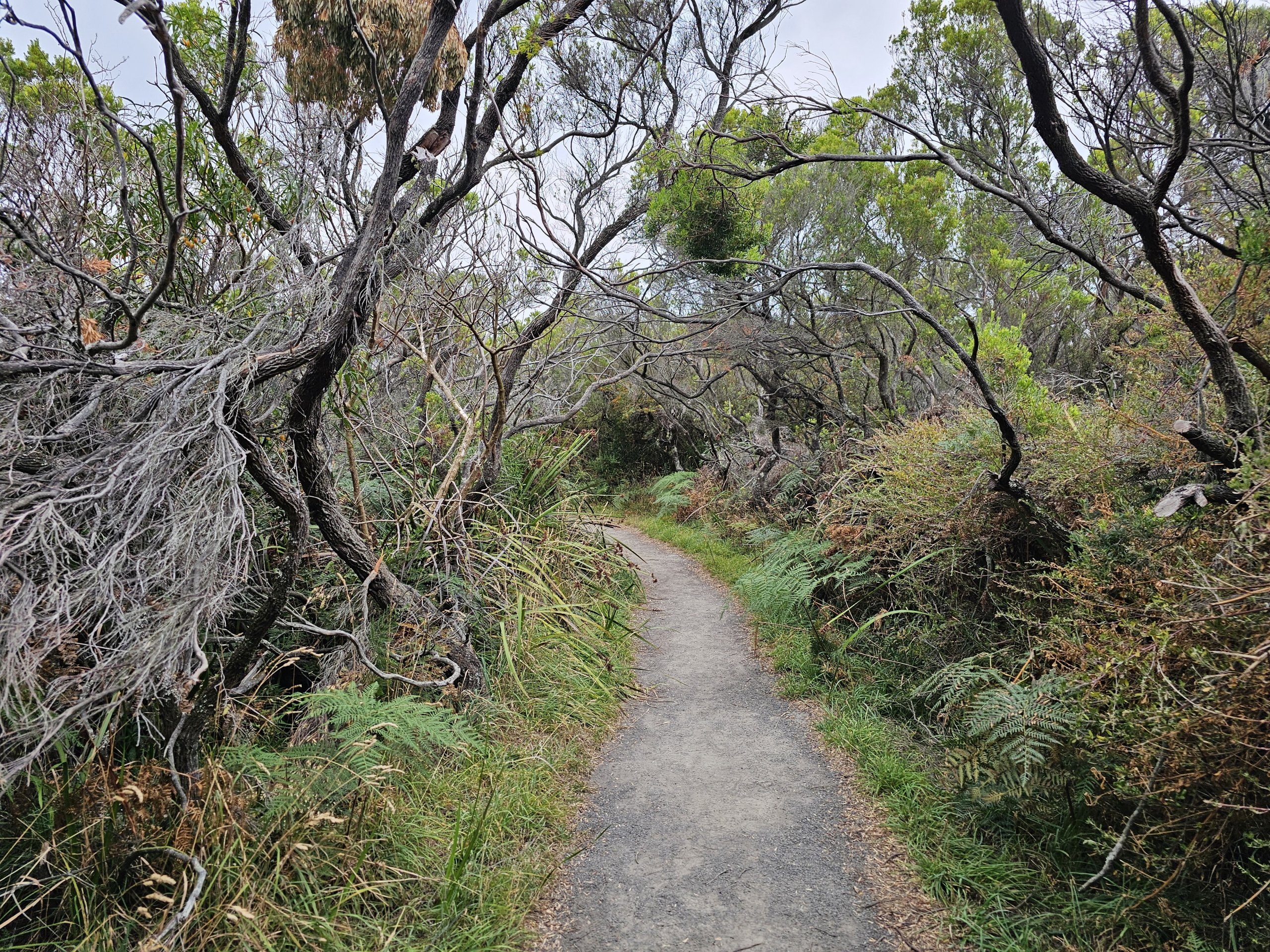
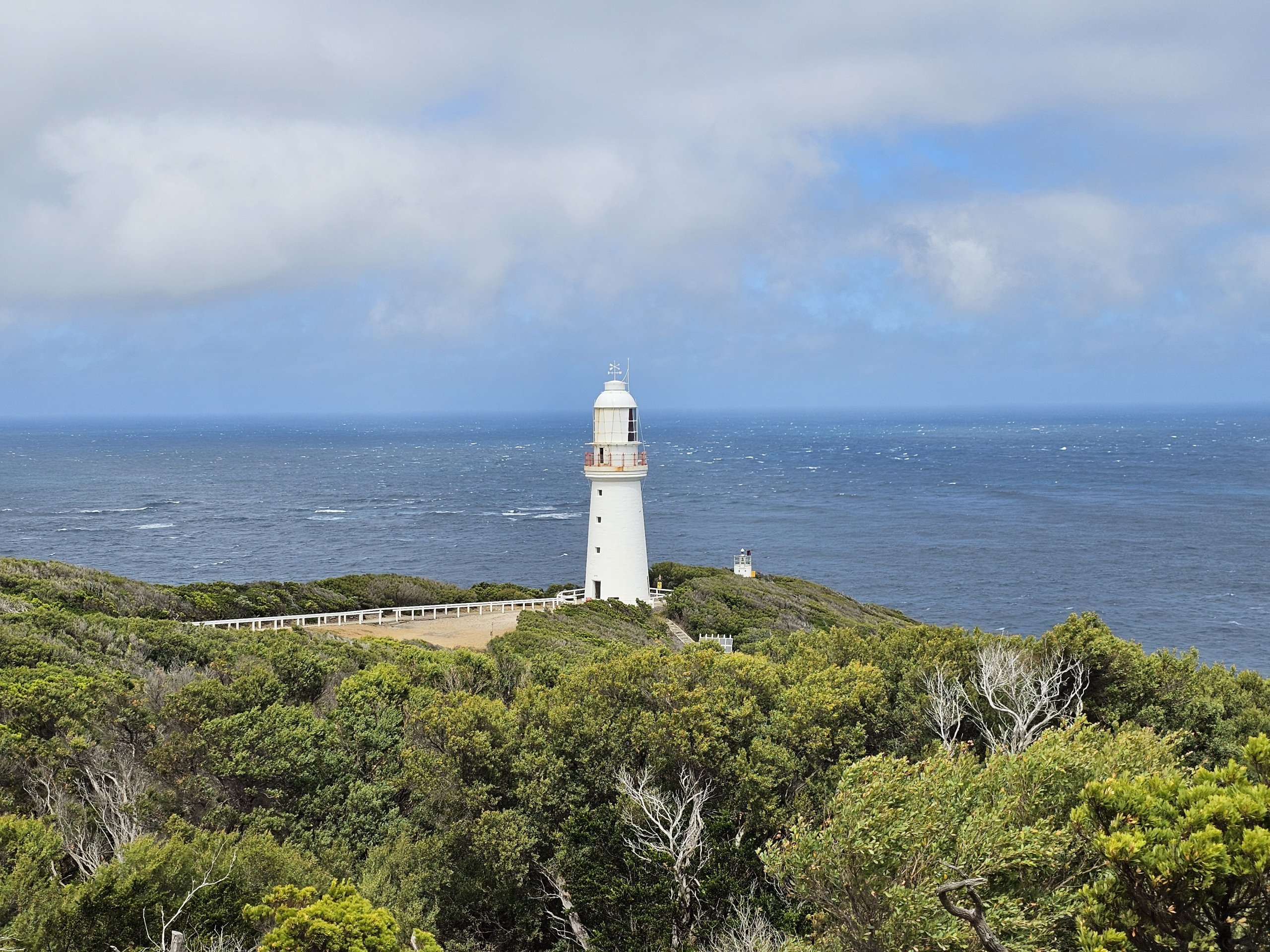
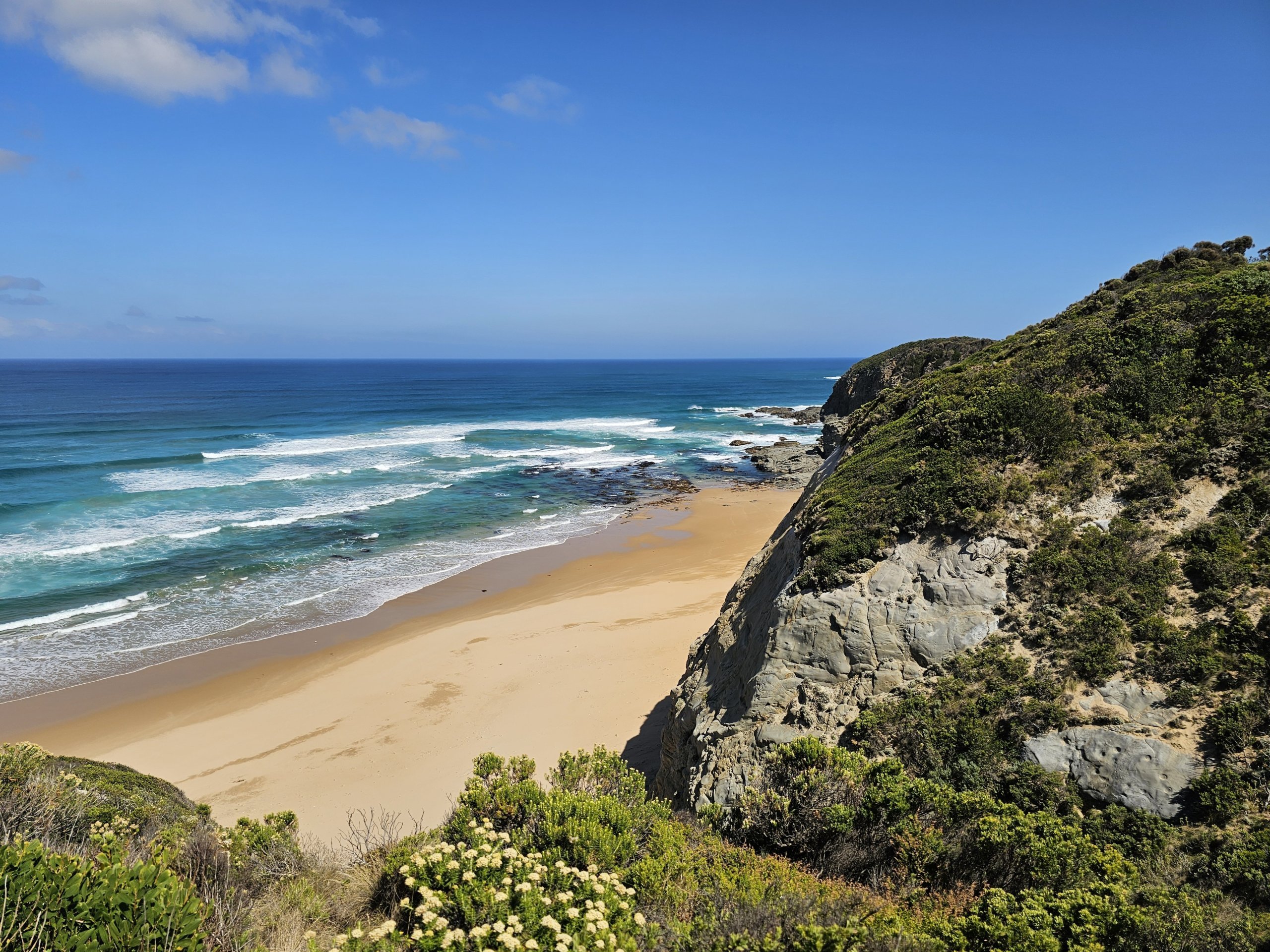
The Great Ocean Walk is a very well-signposted and superbly maintained trail.
Generally speaking, the walk is of moderate physical difficulty. It does not lead into any high mountains, and there are no long, steep climbs.
No special equipment is required to walk the GOW, just a good pair of walking boots.
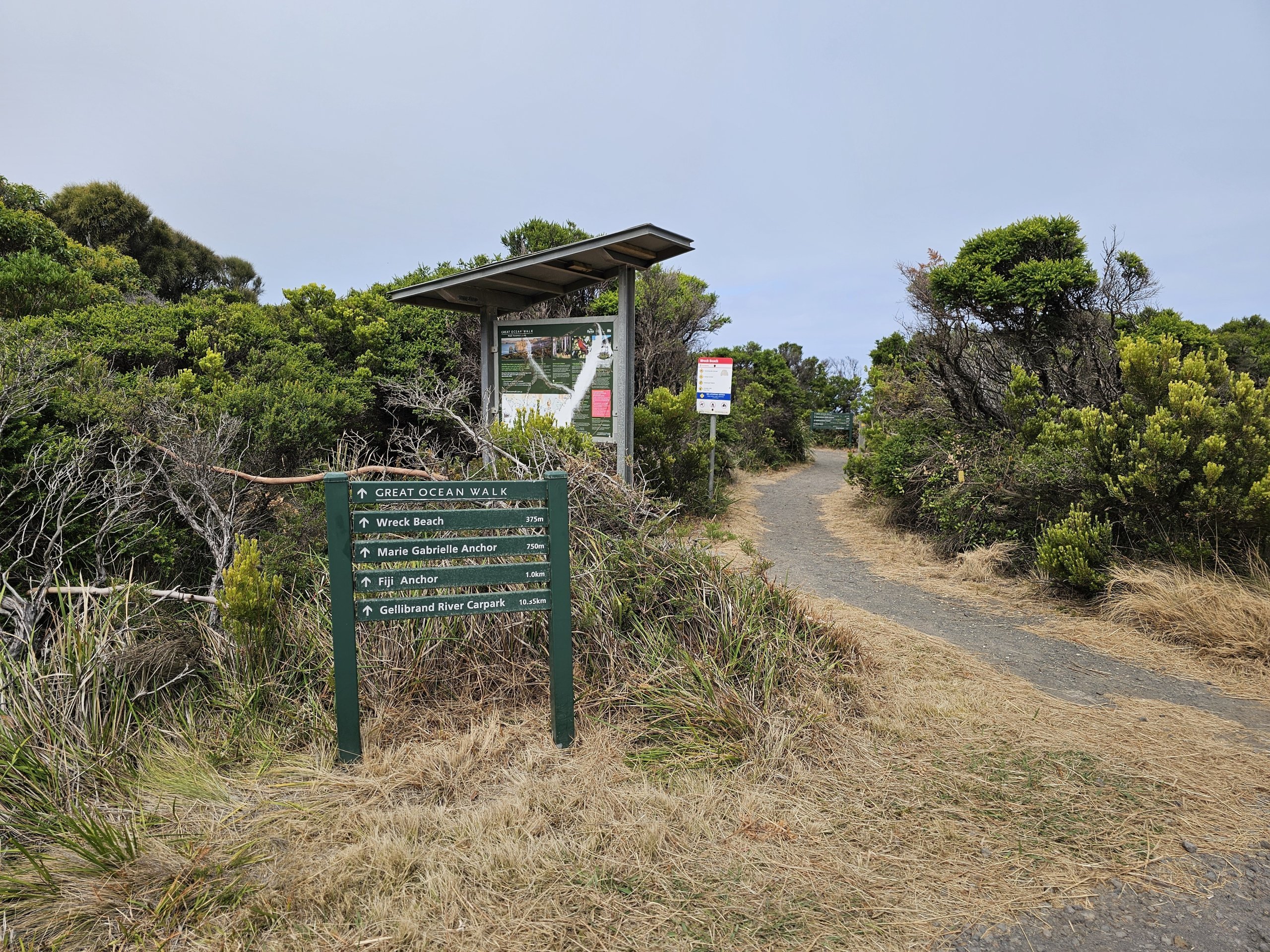
Walkers usually divide the Great Ocean Walk into 8 stagesof around 14 km each, but the fittest usually manage to complete the entire route in 4 or even 3 days.
As the Great Ocean Walk does not pass through any towns, the only option for accommodation is at the official campsites, of which there are seven in total.
These are known as ‘hike-in campgrounds ’, which are designated grassy areas where you can pitch your own tent.
The campsites are always equipped with toilets, drinking water and, occasionally, a barbecue area.
You must book your stay at a campsite online in advance. Out of season, there are often spaces available even a few hours before your planned stay, but during the peak season (November–March), we recommend booking at least 5–7 days in advance.
Booking is free of charge and must be made exclusively via the national park’s official website:bookings.parks.vic.gov.au/great-ocean-walk.
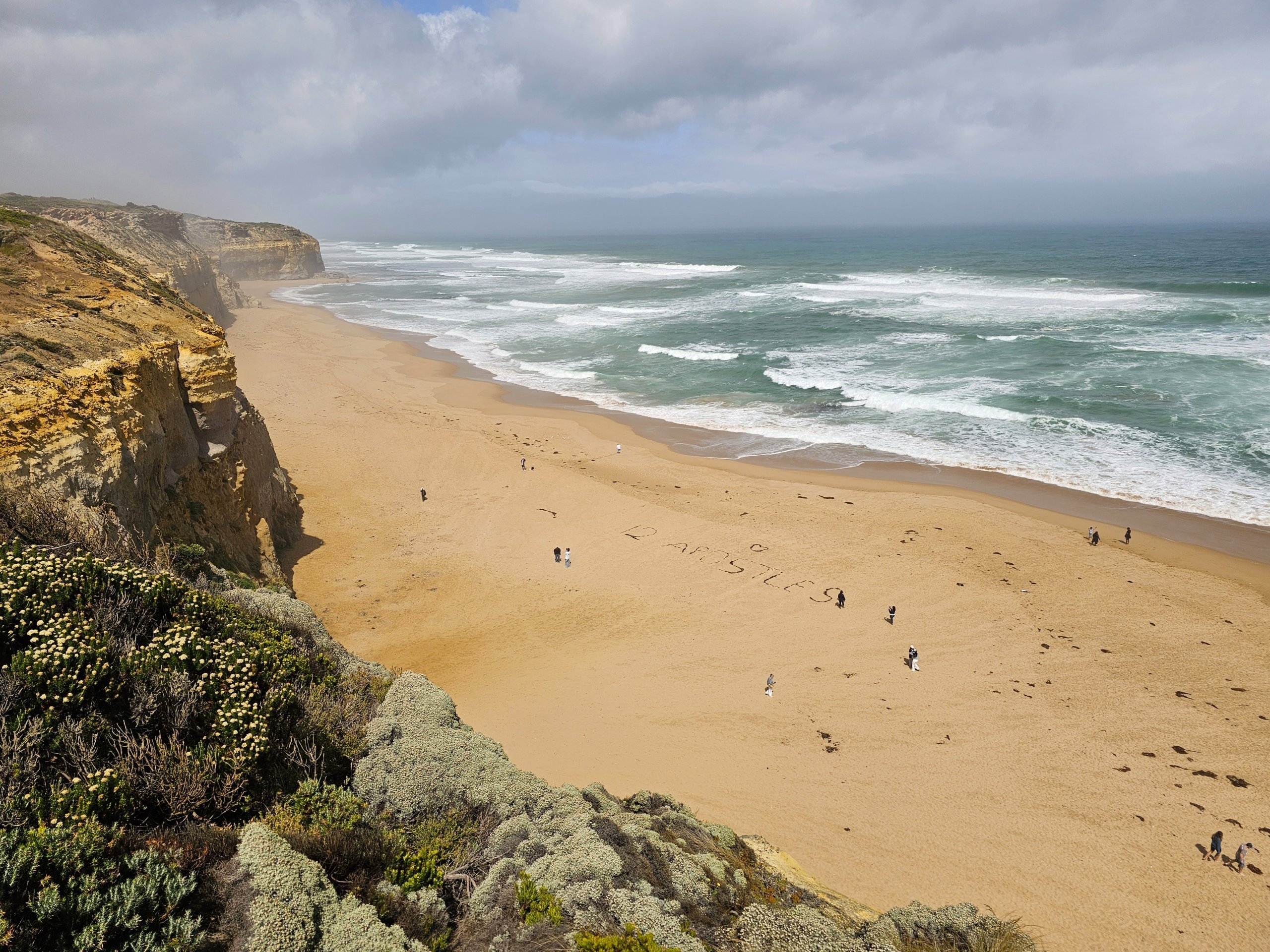
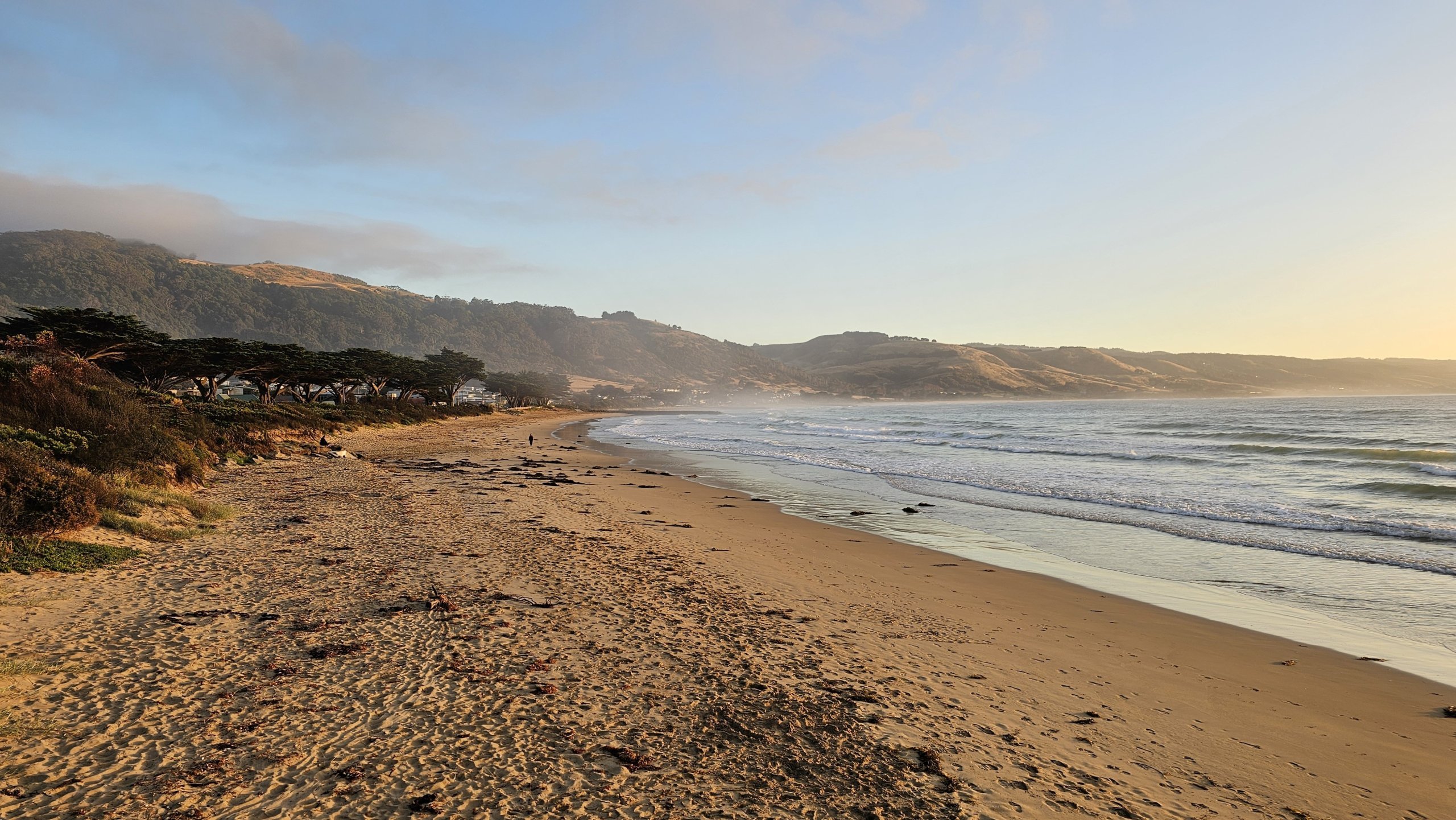
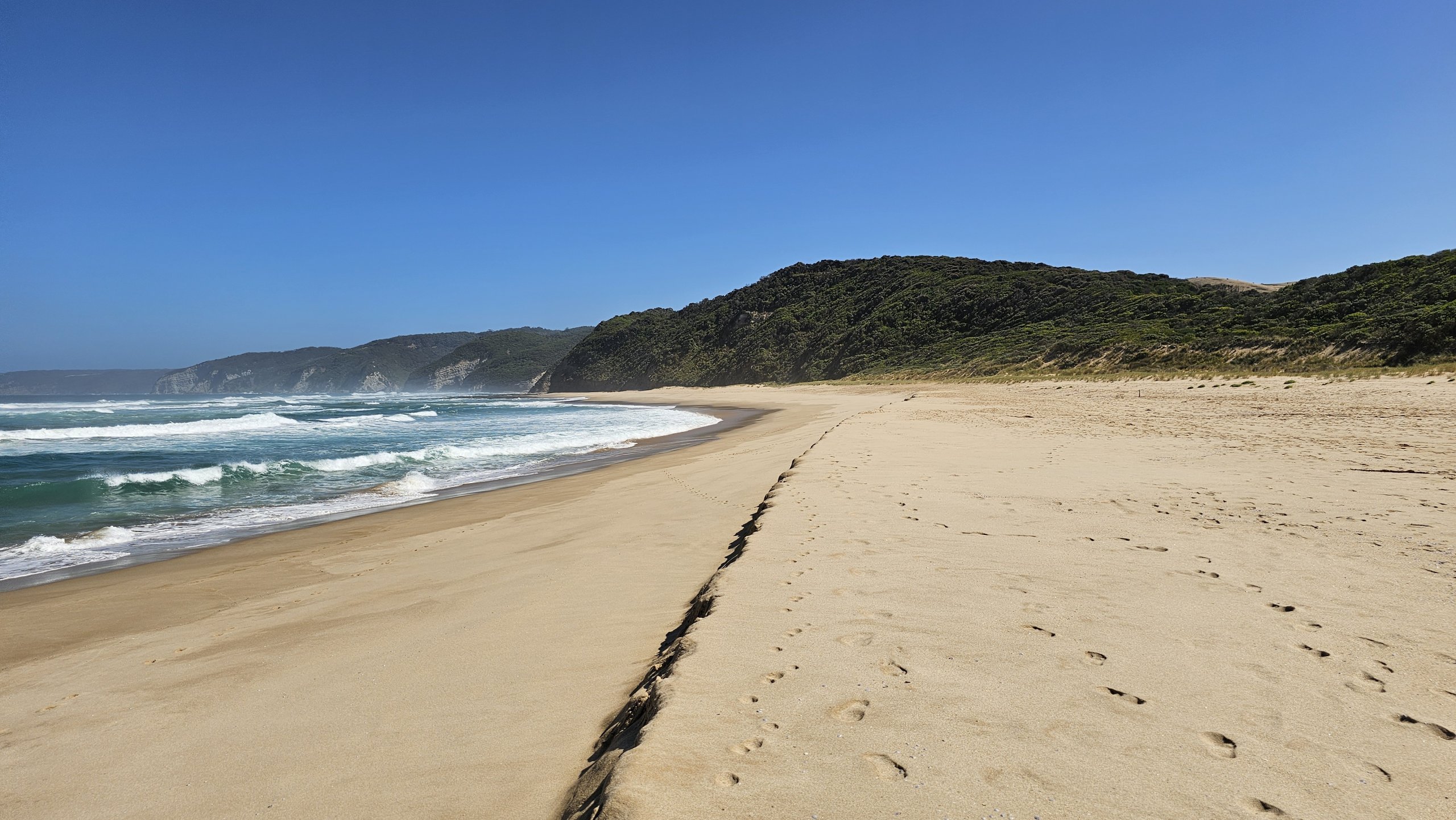
The coastline is lined with beautiful natural beaches featuring picturesque cliffs, sand dunes and wooded hills.
The beaches along the Great Ocean Road are among the most beautiful in the whole of southern Australia. In fine weather, which is common here in summer, you can relax and sunbathe in pleasant seaside resorts as well as on deserted beaches far from the towns.
However, swimming in the sea in southern Victoria has its own particularities.
The Indian Ocean (known in Australia more commonly as the Southern Ocean) is very cold here all year round.
The highest temperature is reached during the summer months (December to February) and is only 18 °C.
Strong rip currents are also common on many beaches, so swimming may not be entirely safe.
Find the best hotel on the Great Ocean Road
These were the beaches we liked best:
In the ‘What to See’ section, you’ll find more tips on beautiful beaches.
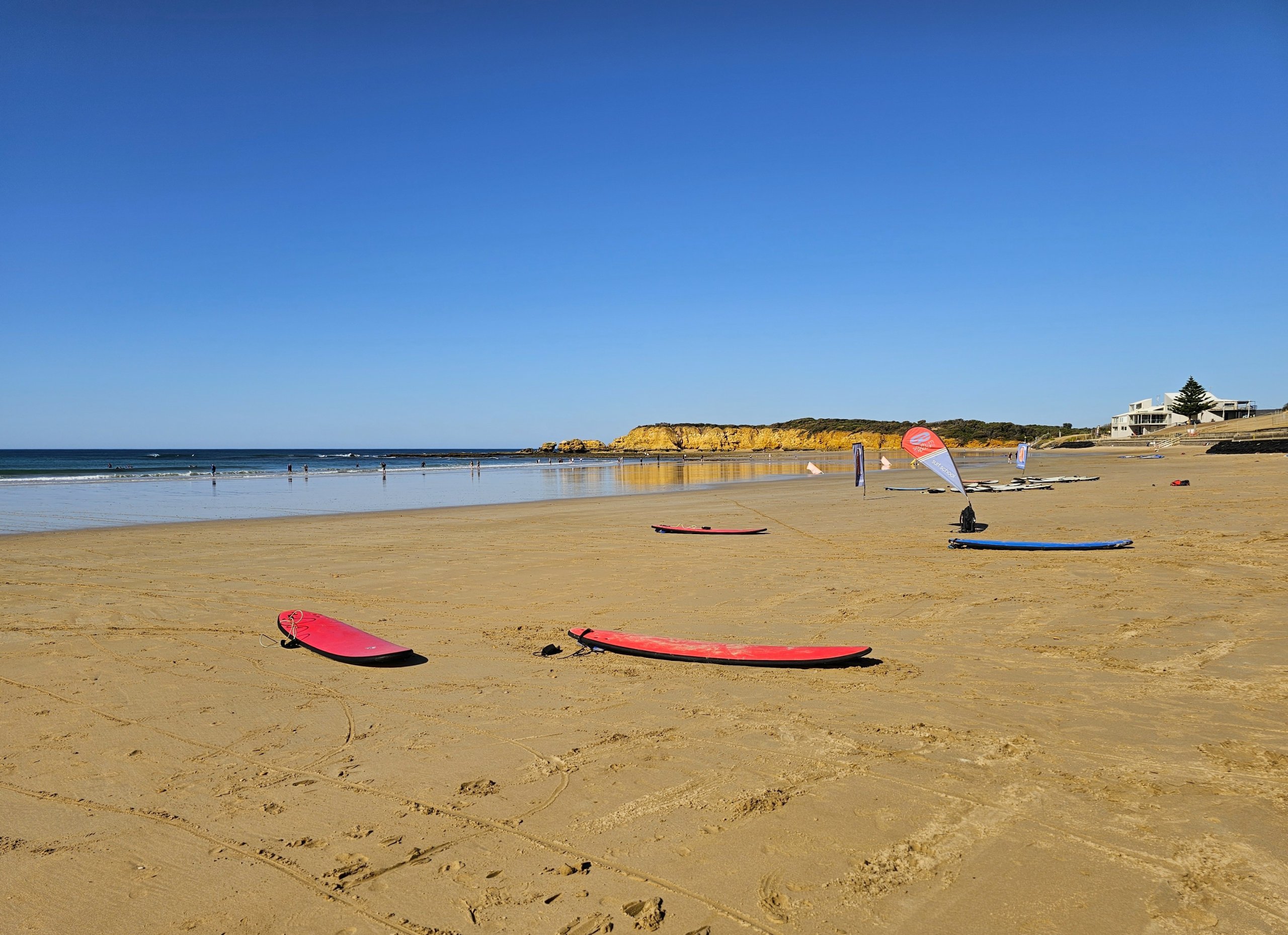
Are you looking for the best surfing beaches for experienced surfers, or would you like to try Australia’s most popular sport as a beginner?
In either case, the Great Ocean Road is the place for you.
Thanks to its wide, open beaches and consistent waves, the stretch of coastline between Torquay and Apollo Bay is one of the best spots in Australia. After all, the famous Bells Beachhosts one of Victoria’s most iconic sporting events every year –the Rip Curl Pro.
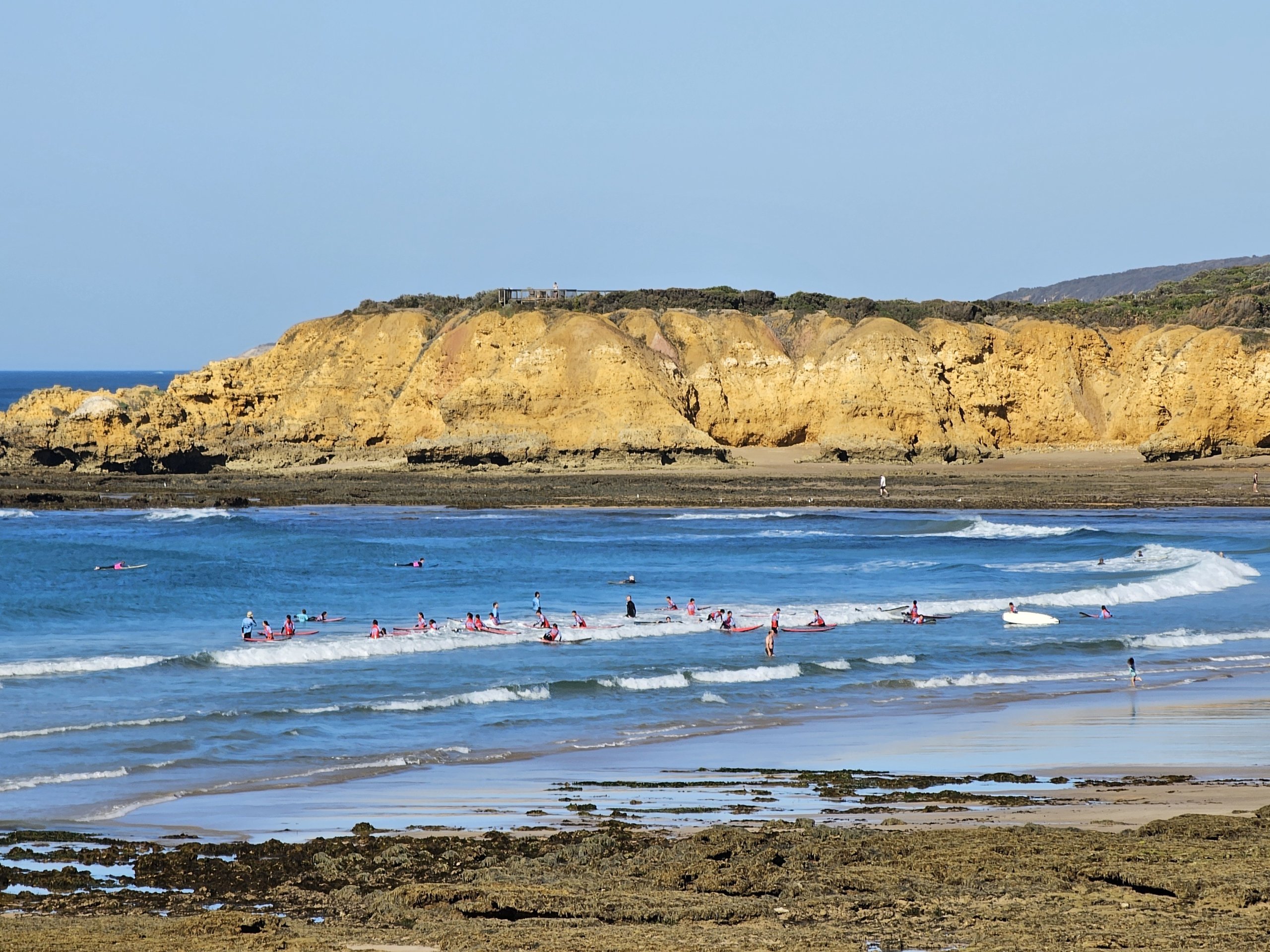
The nickname for the eastern part of the Great Ocean Road says it all – this section is known as Surf Coast.
The most famous surfing spots are located around the town ofTorquay.
Right in the town itself, the beaches are ideal for beginners, whilst Bells Beach near Point Addis is suitable exclusively for advanced surfers.
Another popular spot is the resort town of Apollo Bay. Its long beaches are ideal for beginners, whilst further from the town centre the waves are bigger and suitable for experienced surfers.
A basic 2-hour surfing course for beginners usually costs between 65 aud and 75 aud in a small group.
If you’d prefer private lessons, expect to pay around 180 aud.
Prices always include equipment hire.
What are some examples of surf schools on the Great Ocean Road?
Enjoy a cruise to see the adorable seals, which gather in large numbers all year round in a vast colony on the rocky shores around Apollo Bay.
The seal colonies cannot be reached from the mainland, but there are several companies operating in Apollo Bay that offer sightseeing cruises.
The cruise usually lasts about 1 hour and costs 50 aud.
You can book a trip with several companies:
The waters around the Great Ocean Road are amongst the best places in Australia for watching migrating whales.
Between May and the end of October, whales often swim very close to the coast.
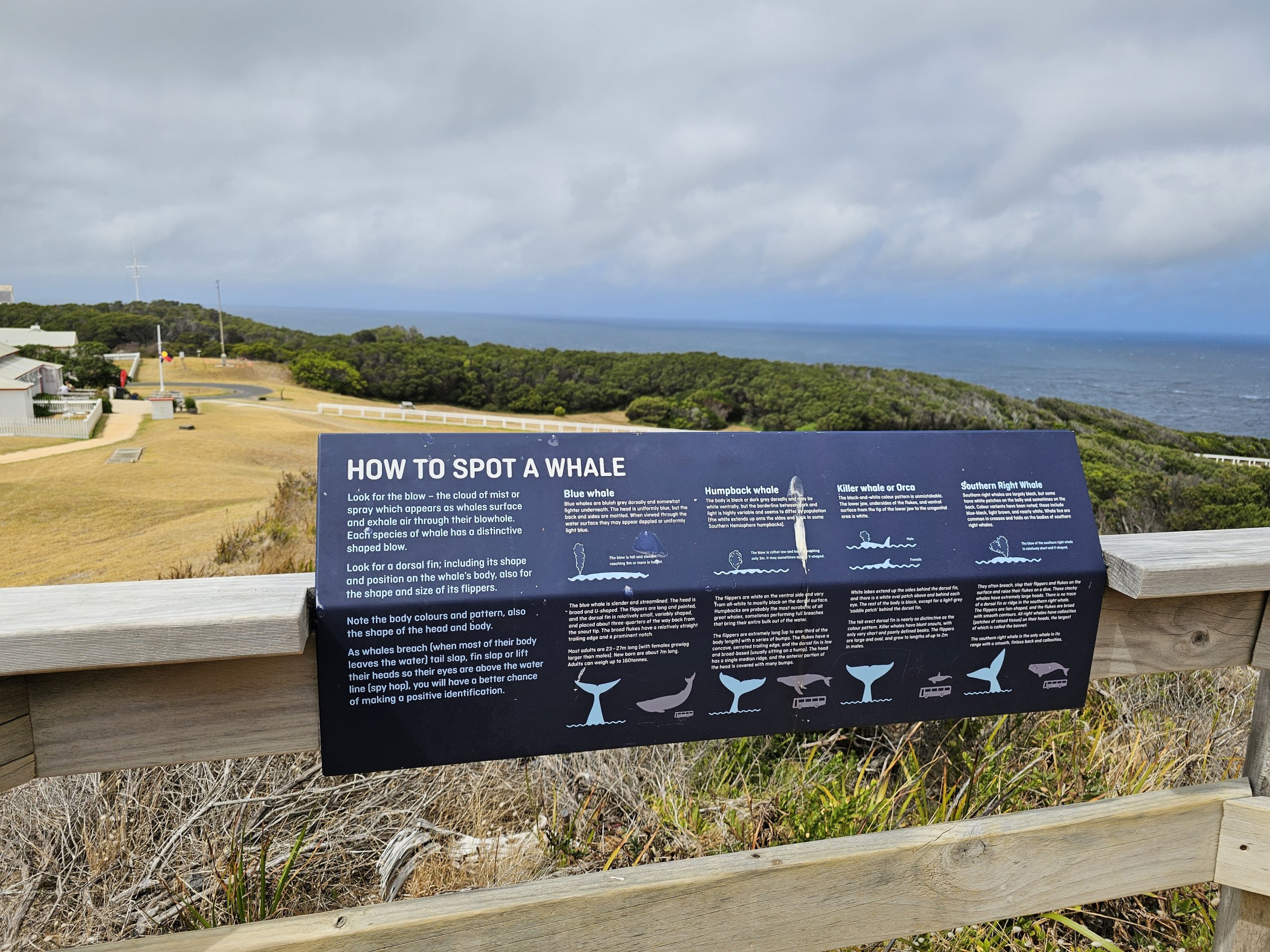
The best vantage point, complete with an information board on how to spot whales, is located on the grounds of the Cape Otway Lighthouse Museum.
The Great Otway National Park, which covers a large part of the Great Ocean Road, is extremely popular for recreational fishing.
With several rivers in the area, you can enjoy both sea and river fishing here.
Popular spots are mainly the piers in towns, where many species of fish can be found and which are also very easily accessible.
The piers at Lorne and Apollo Bay are ideal.
Apollo Bay is also well known for the opportunity to go fishing on the open sea, as there are several charter companies based at the local marina that organise fishing trips.
Prices are around 50 aud s for 30 minutes; see detailed information at:apollobayfishingcharters.rezdy.com.
The Great Otway region receives plenty of rainfall and is the source of several rivers. Here are the best fishing spots:
If you have any questions or comments about the article...