Last-minute flights to Santorini from Vienna
71 €



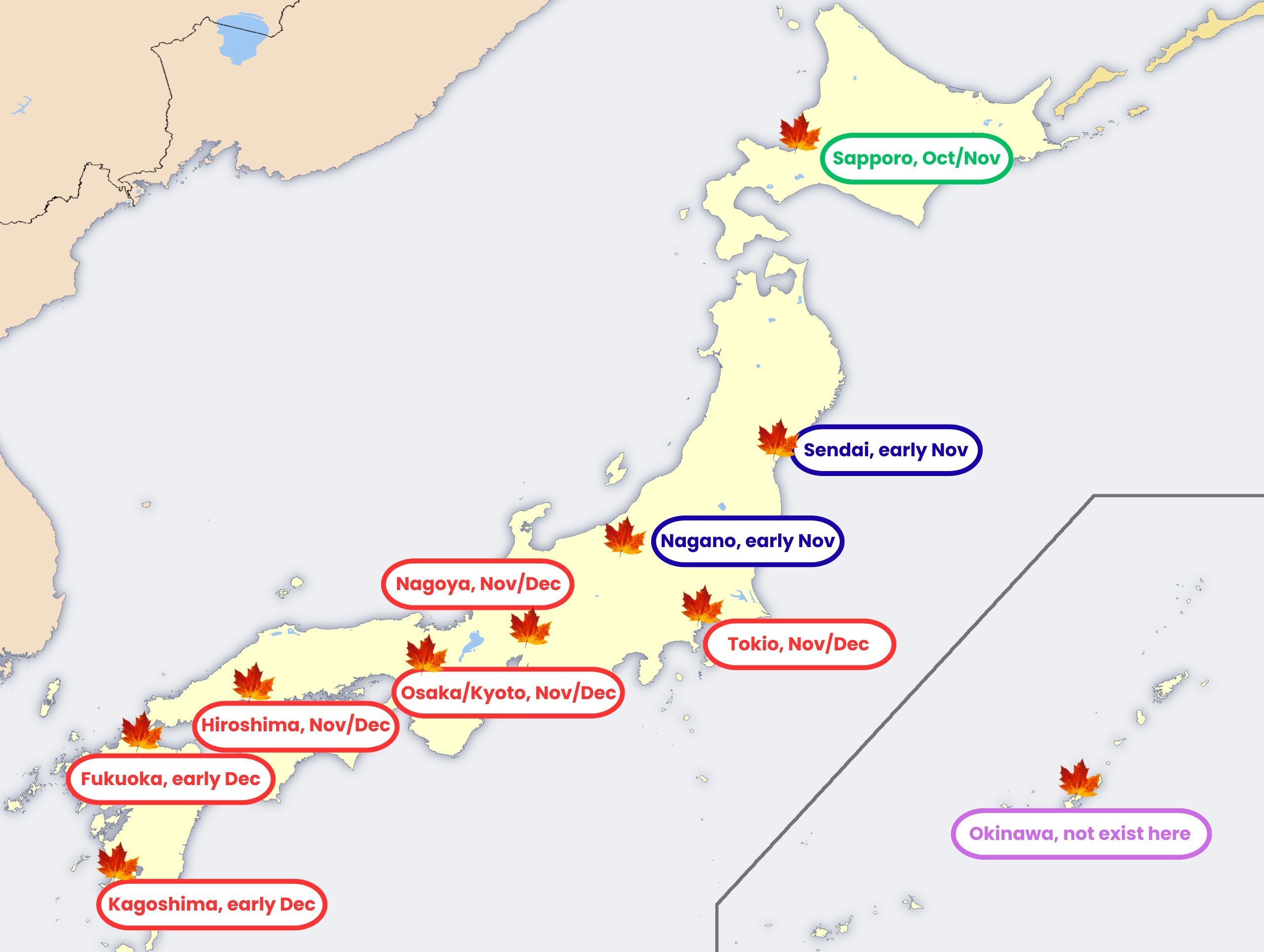
Autumn foliage in Japan is usually at its peak from the second half of November to the beginning of December.
If you’re planning a classic trip through Tokyo, Kyoto and Osaka, I’d say the safest time to visit is from around 20 November to 5 December. This period is known as ‘koyo’ in Japan.
However, Japan is a long country, and autumn progresses from north to south and from the mountains to the lowlands. Whilst the first trees in Hokkaido begin to change colour as early as September, in Kyoto, Tokyo or Kyushu, the red maples can last until December.
If you’d like to combine the autumn foliage with a visit to the Mount Fuji area, come a little earlier. It’s usually best to start around 10–15 November at Lake Kawaguchiko and then gradually make your way to Tokyo and Kyoto.
Personally, I prefer Japanese autumn even more than the spring cherry blossoms. There are more colours, the leaves usually last longer, and with a sensibly planned itinerary, it’s much harder to miss the whole season entirely.
Don’t want to pore over tables and forecasts? Here’s all you need to know to get started:
The best all-round month is November.
In the first half of the month, you can head to the mountains or Mount Fuji, whilst in the second half, the peak season begins in Tokyo, Kyoto, Osaka and other major cities.
The forecast for 2026 has not yet been published. The Japanese weather portal tenki.jp plans to start updating it around September 2026.
Until then, it is best to plan based on long-term averages.
Bear in mind, however, that the actual peak may shift by 1 to 2 weeks depending on autumn temperatures.
The year 2025 was a good example of this. Back then, the red maples in Kyoto were due to reach their peak on 15 December, whilst the long-term average is 5 December.
Such a significant shift can throw even the most carefully planned itinerary into disarray.
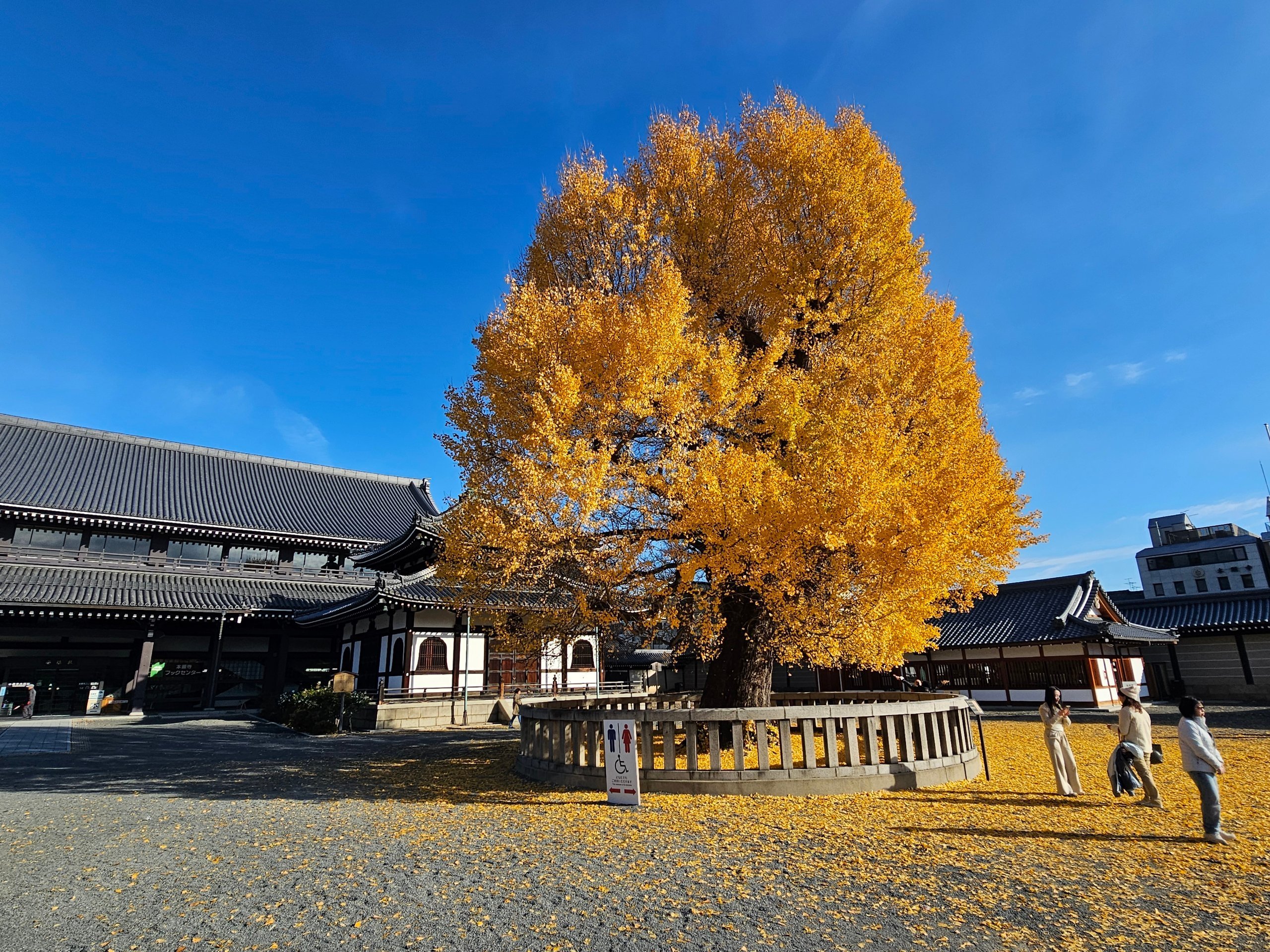
The Japan Meteorological Corporation monitors yellow ginkgoes and red maples separately.
This does not refer to a single day when the whole city is at its most colourful, but to the date when most of the leaves on the monitored tree have changed colour.
| City | Yellow ginkgo trees | Red maples |
|---|---|---|
| Sapporo | 4 November | 28 October |
| Aomori | 2 November | 13 November |
| Sendai | 23 November | 21 November |
| Nagano | 10 November | 12 November |
| Kanazawa | 10 November | 24 November |
| Tokyo | 23 November | 28 November |
| Kyoto | 24 November | 5 December |
| Osaka | 22 November | 1 December |
| Hiroshima | 15 November | 22 November |
| Fukuoka | 20 November | 1 December |
| Kagoshima | 25 November | 15 December |
The difference between ginkgo and maple trees explains why you may find several different terms used for the same city online.
The yellow avenues may already be at their peak, whilst the red maples in the cathedral gardens are only just beginning to change colour.
Have you already booked your flights to Japan for the autumn?
Depending on that, you can then choose between travelling by Shinkansen or taking domestic flights.
At this time of year, there are hardly any colourful trees anywhere yet.
Your only chance is in the mountains of Daisetsuzan National Park on the island of Hokkaido. This is where the Japanese autumn season begins earliest, though usually not until mid-October.
Tokyo, Kyoto and Osaka are still green at this time of year, and the weather there is practically summer-like.
Your best bet is Hokkaido, northern Tohoku and the higher elevations of the Japanese Alps.
Good options include Kamikochi, the Tateyama Kurobe Alpine Route and the mountainous areas of Towada-Hachimantai National Park.
Later, towards the end of October, the colours spread to the lower-lying areas of Tohoku, the Nikko region and the Japanese Alps. Typical destinations include Oirase Stream, Naruko Gorge, Nikko and Kamikochi.
For central Tokyo, Kyoto and Osaka, it is generally still too early.
The best time of year for the Mount Fuji area, Takayama, Nagano and lower mountain regions.
The Autumn Leaves Festival takes place at Lake Kawaguchiko throughout November, and the red maple trees framing Mount Fuji are among the most photogenic autumn scenes in Japan.
Take a look at my tips for the best views of Mount Fuji too.
However, even in this area, the autumn colours tend to reach their peak after 15 November.
The best all-round time for a first trip to Japan.
The autumn colours are at their best in Tokyo, Kyoto, Nara, Osaka, Hiroshima and on the island of Miyajima.
The mountain regions, on the other hand, may already be past their peak season.
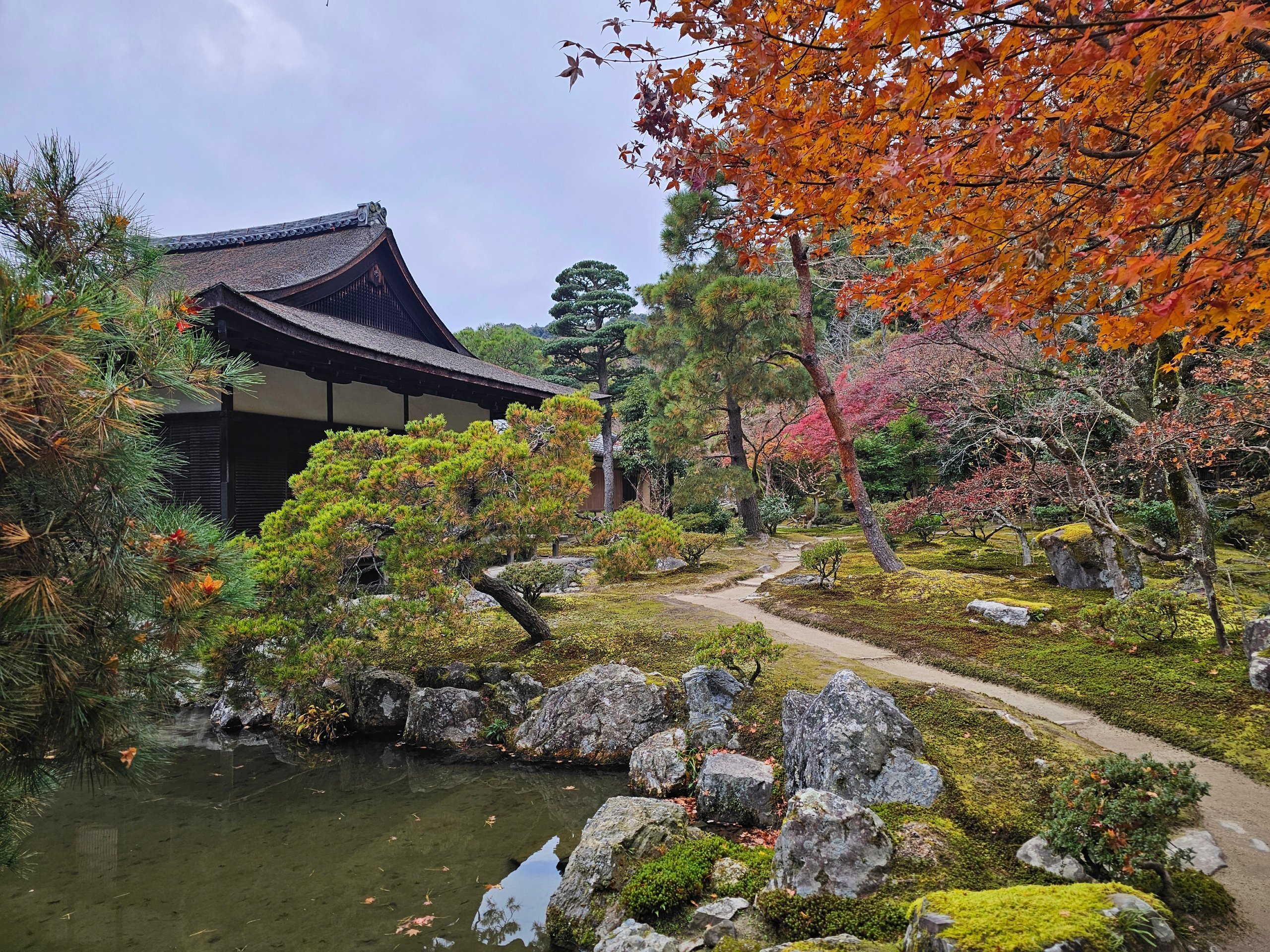
A very good time to visit Kyoto, Osaka, Tokyo and Fukuoka. In Kyoto, the red maple leaves usually reach their peak around the turn of November and December.
However, by early December, there is a growing risk that, in a colder year, some of the leaves may have already fallen. It is therefore worth keeping an eye on the latest maps and not finalising your entire itinerary many months in advance.
Of course, you’ll see colourful trees almost everywhere, but in some places, autumn is the main reason to visit.
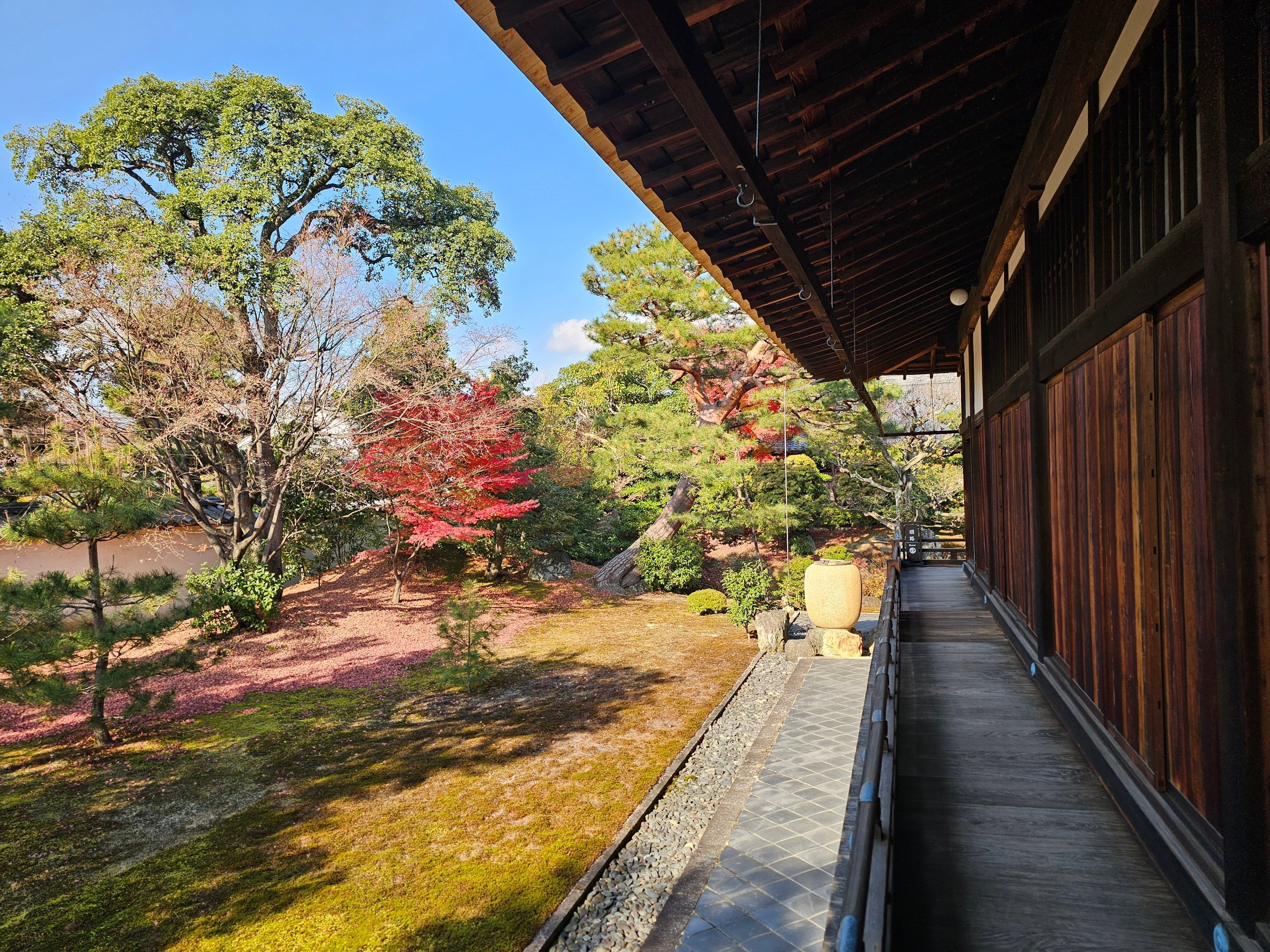
If I had to choose just one Japanese city for its autumn foliage, it would be Kyoto.
The red maple trees in the temple and Zen gardens look even better than those on the mountain slopes on their own.
We’ve visited Kyoto many times as a team and have put together some specific tips, not just for the autumn foliage.
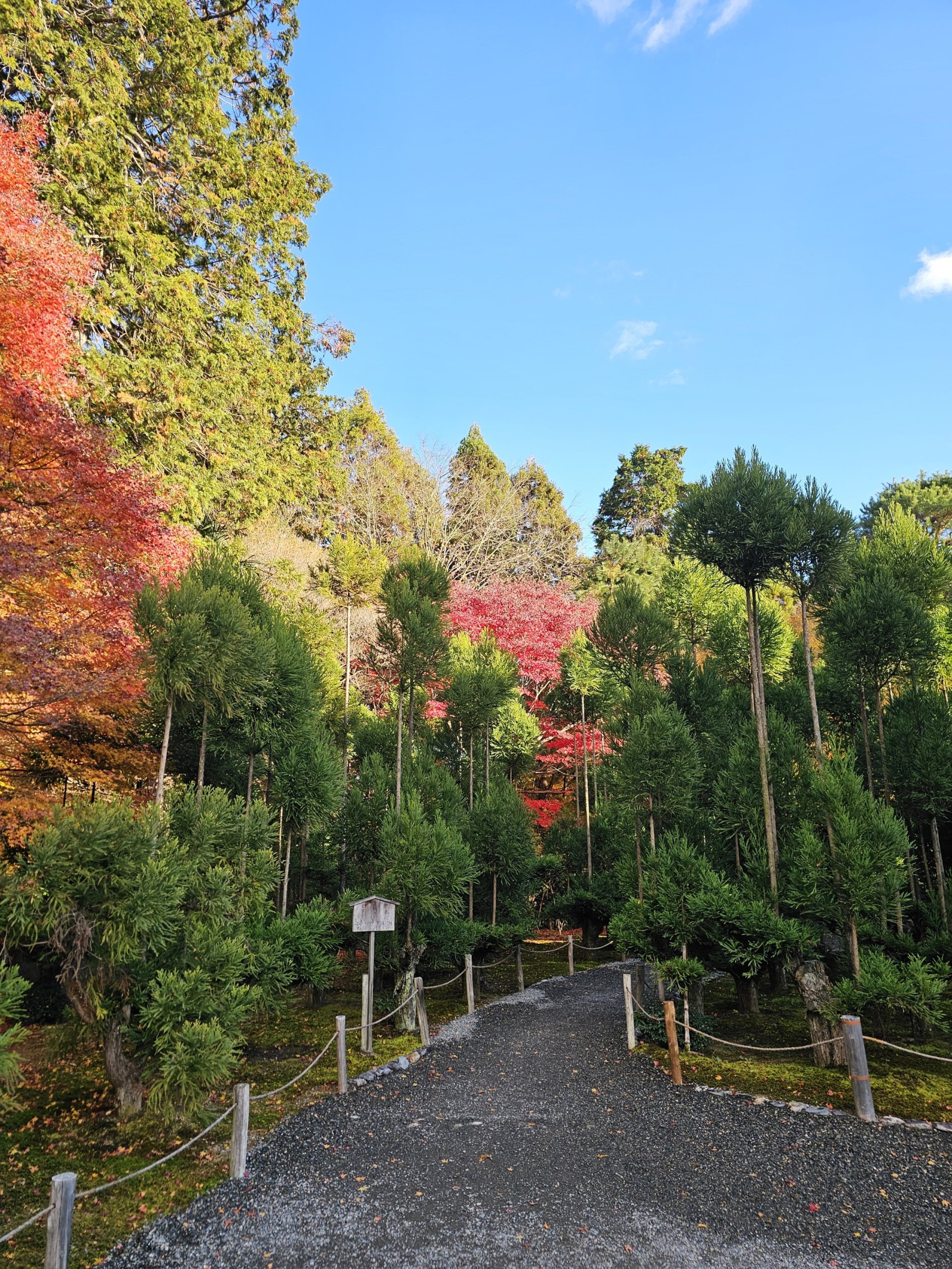
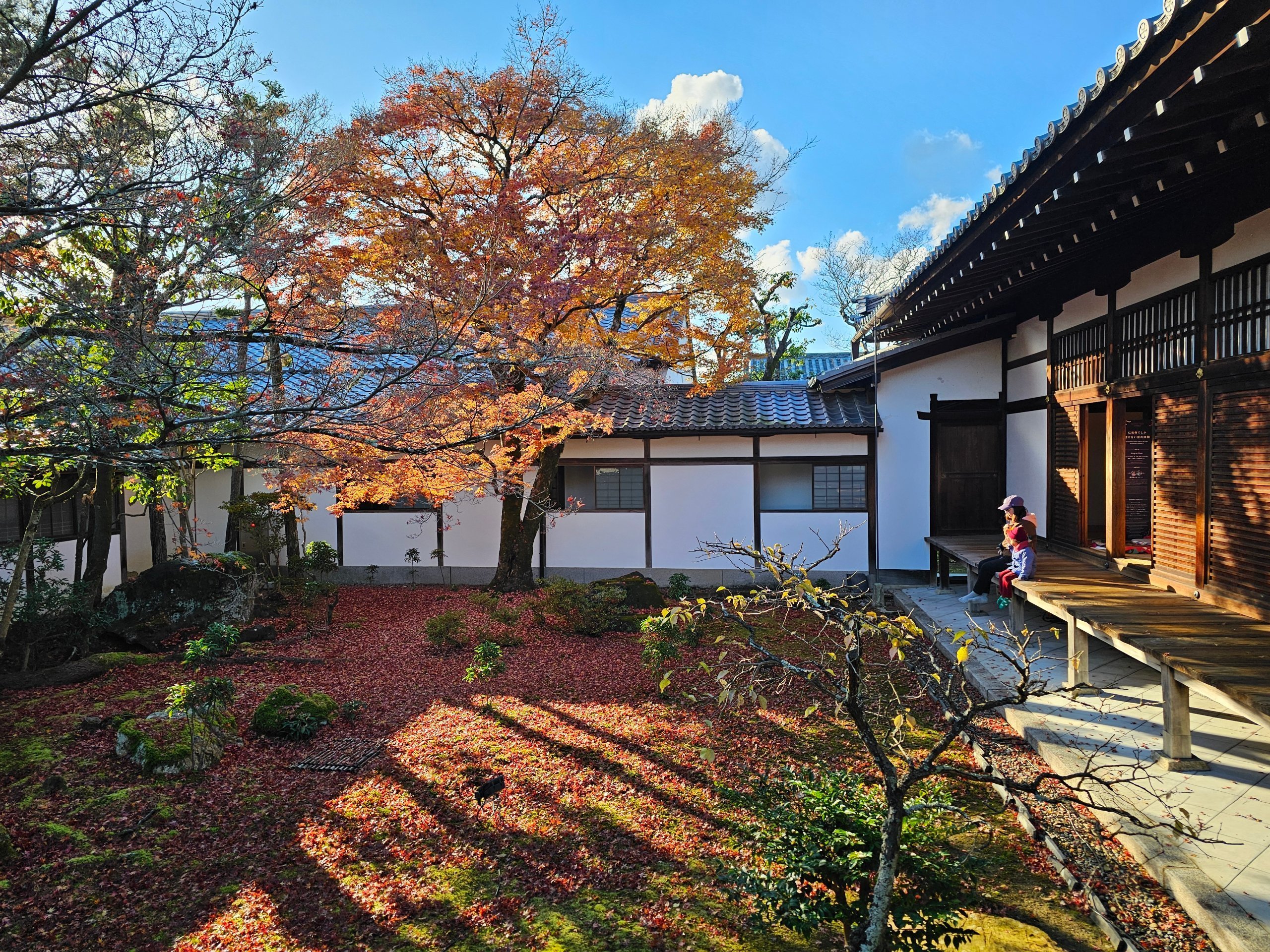
Another great autumn experience is the scenic Sagano Romantic Train ride through the Hozugawa River valley. In November, the best seats are often sold out several days in advance.
In Tokyo, the autumn leaves usually appear from the second half of November to the beginning of December.
The most famous spots are:
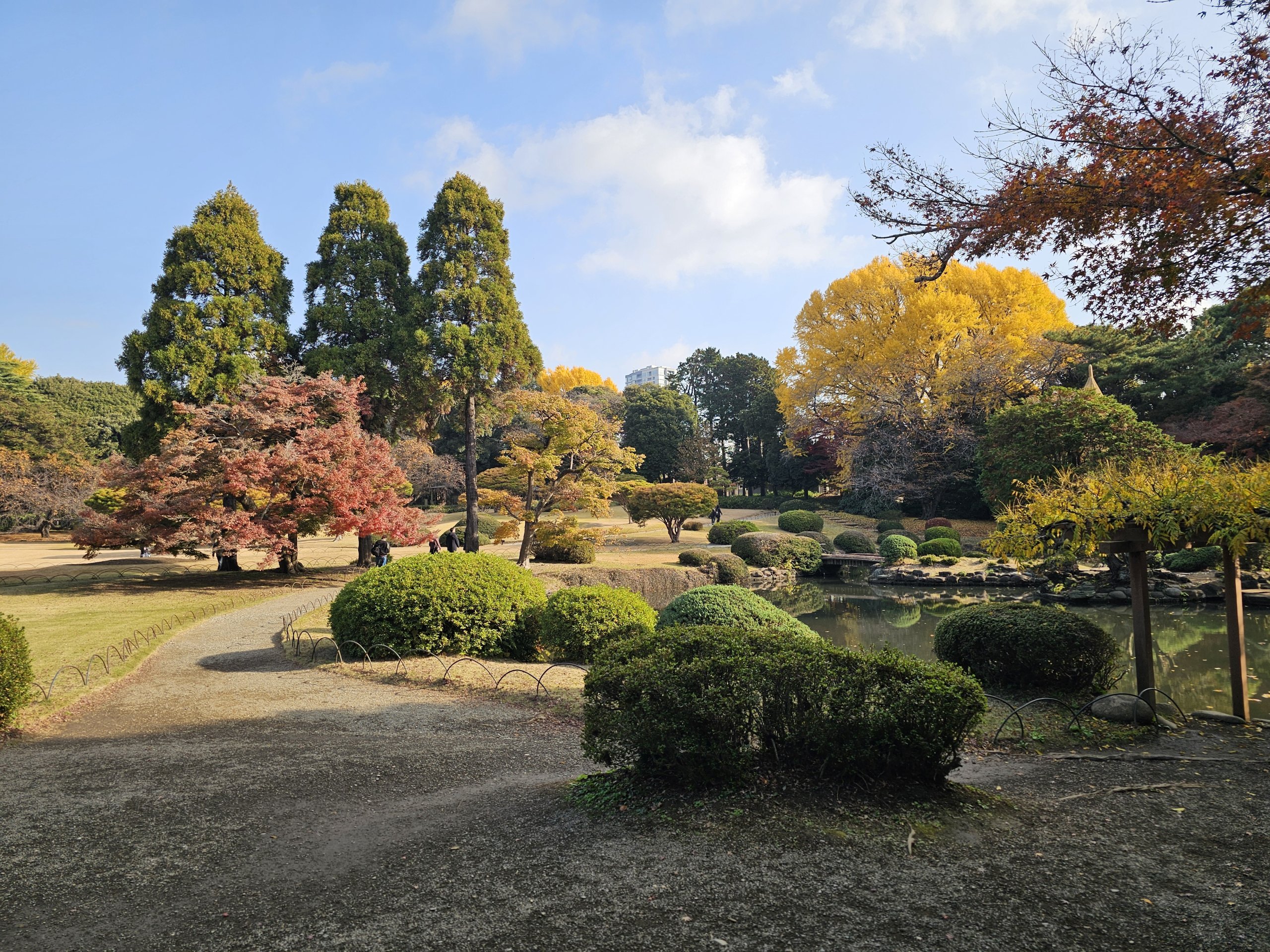
One of Tokyo’s attractions is its abundance of different parks and gardens. Even if you don’t catch the peak of the autumn colours in one spot, the colours may be significantly better just a few kilometres away.
The area around Mount Fuji turns colour earlier than Tokyo. You usually have the best chance of seeing the autumn colours in mid-November.
The main spot is the Maple Corridor on the northern shore of Lake Kawaguchiko. The Chureito Pagoda and the gardens of the Itchiku Kubota Art Museum also offer fine autumn views.
Another advantage of November is lower humidity and better visibility of Mount Fuji than during the summer.
In Nara, the colourful autumn leaves blend beautifully with the park, the temples and the deer roaming freely.
On the island of Miyajima, head to Momijidani Park. The name means ‘Valley of the Maples’, so the Japanese didn’t leave much to the imagination when naming the place.
In both places, the best chance of seeing colourful autumn foliage is at the turn of November and December.
This city, just about 25 minutes from Osaka, is my favourite in Japan.
And it’s one of the best places for autumn foliage, as the whole of Kobe is surrounded to the north by densely wooded mountains. These turn breathtaking shades of yellow and red, particularly in early December.
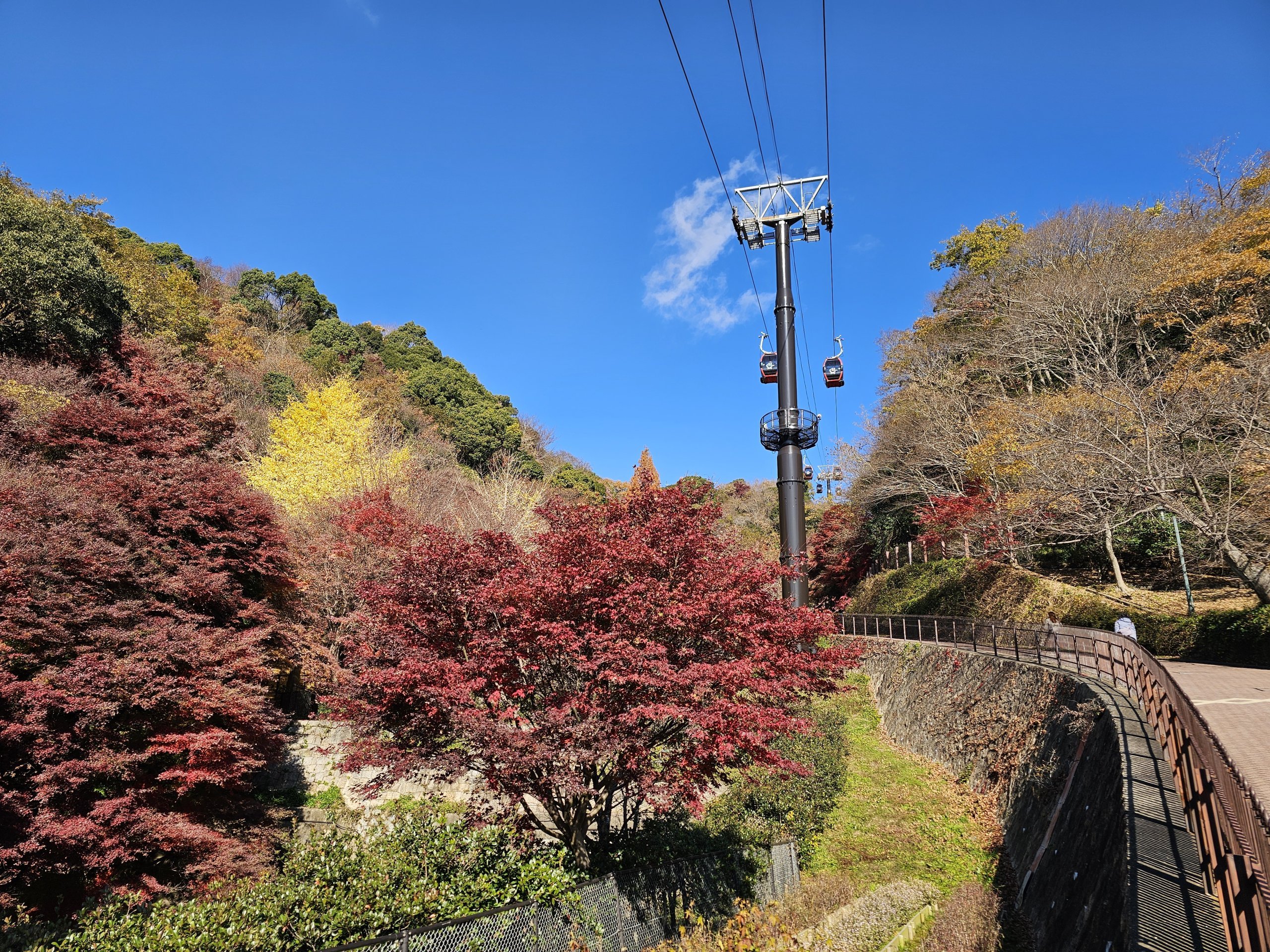
The greatest advantage of autumn in Japan lies in the differences in altitude. Often, a short trip from the city to the mountains is all it takes.
If Tokyo is still green, head to Lake Kawaguchiko, Nikko or the higher parts of the Hakone area.
If it’s still too early in Kyoto, try Mount Hiei, Kurama, Kibune or a trip to Koyasan.
Higher and cooler areas usually turn colour earlier than the city centre.
Conversely, if you arrive late, stick to the lowlands.
Tokyo, Kyoto, Osaka and some places in Kyushu may still have colourful trees in the first half of December.
Use long-term dates when booking your flights. Start finalising your specific itinerary around 2 to 3 weeks before your trip.
The most accurate are:
Don’t just look at Tokyo or Kyoto as a whole. Conditions can vary between the city centre, the surrounding mountains and individual gardens.
For me personally, yes, although the cherry blossoms do have a unique atmosphere.
Autumn leaves usually stay on the trees for about 2–3 weeks, whereas the best part of the cherry blossom season can be over in a matter of days.
Autumn is therefore easier to plan for, and any changes to the dates can be accommodated by travelling to higher or lower altitudes.
That doesn’t mean, however, that everywhere will be deserted.
Kyoto, Nikko and Kawaguchiko can be extremely busy at the height of the autumn colours. Visit the most famous temples and gardens on a weekday, ideally as soon as they open.
These were the questions I found myself asking most often before travelling to Japan.
Generally speaking, no. In October, the centres of Tokyo, Kyoto and Osaka are still mostly green.
For colourful foliage, you’ll need to head to Hokkaido, Tohoku or the high mountains.
Yes. Conditions are usually very good in Tokyo, Kyoto, Osaka and Kyushu in early December.
After 10 December, the outlook is considerably less certain.
Book a flight to Japan for November
They usually look their best for about 2–3 weeks in any one place. The exact duration depends on the temperature, wind and rain.
‘Koyo’ is a general term for autumn leaves that have changed colour.
‘Momiji’ is used specifically to refer to red Japanese maples.
The term ‘momijigari’ literally means ‘hunting for red leaves’, but in practice it refers to a trip to view them.
For a classic trip through Tokyo, Kyoto and Osaka, I would choose the period from 20 November to 5 December.
If you also want to see Mount Fuji surrounded by colourful maple trees, start your trip around 10–15 November at Lake Kawaguchiko and only then continue on to the major cities.
The autumn season is longer than the cherry blossom season. Even if you don’t catch the peak, with a flexible itinerary it’s very likely you’ll see the colourful leaves somewhere.
If you have any questions or comments about the article...