Head for the sun in Málaga, even in the middle of winter, with direct flights from Ostrava
43 €



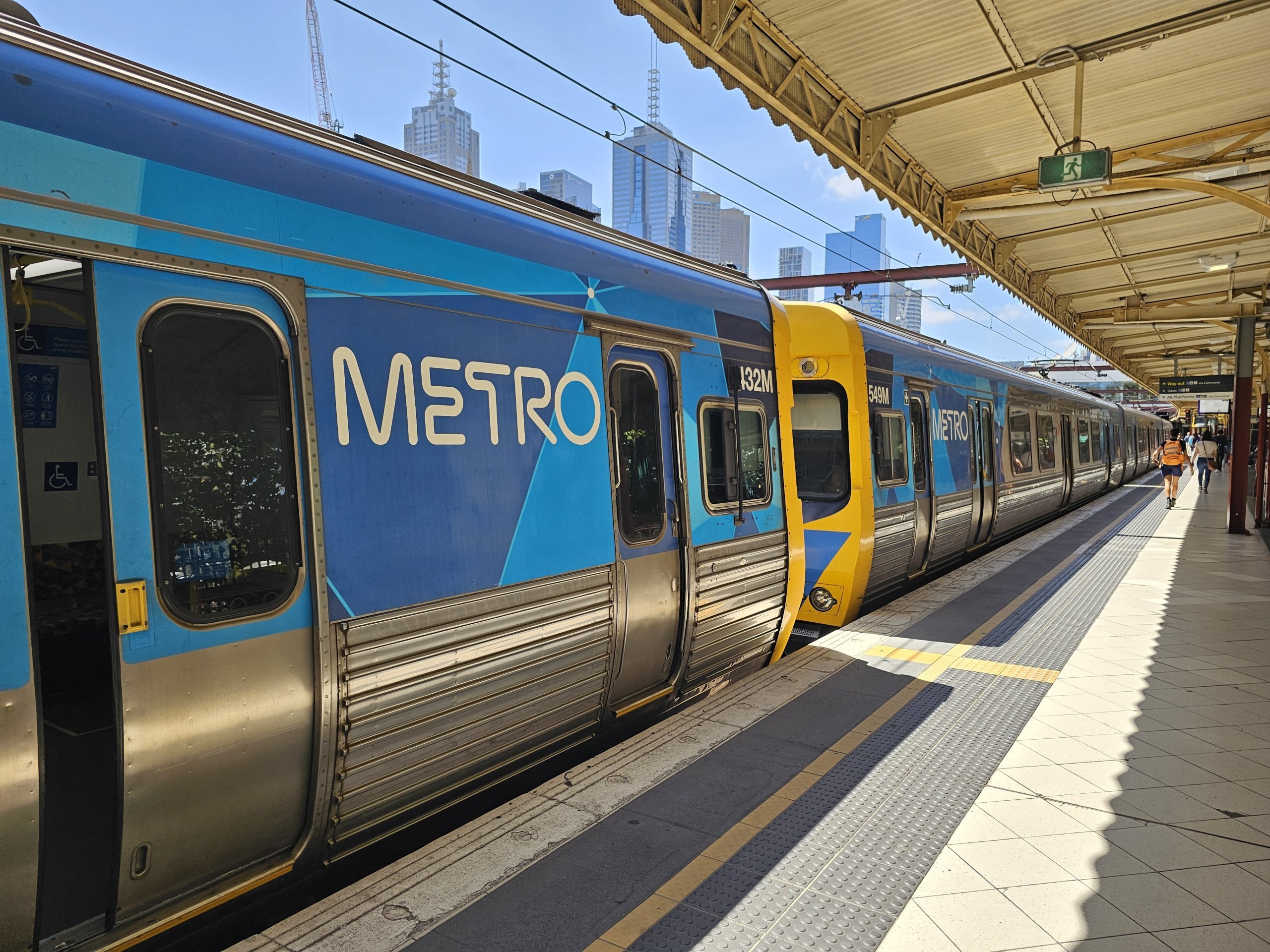
Melbourne does not have a traditional underground network, but this is very well replaced by a dense network of city trains.
Officially, this network is known as the ‘Metro’, and many locals tend to use the term ‘metro’ rather than ‘train’.
For tourists, however, these trains are really only useful for travelling out of the city centre to more distant beaches. The exceptionally dense tram network is much better for getting around the city centre.
What’s more, the sights in the city centre are close together and can easily be explored on foot.
The same fare applies across the entire metropolitan area for all modes of transport – trains/underground, trams and buses. You can change between modes of transport as you wish.
Public transport tickets in Melbourne are relatively cheap and the fare system is very straightforward.
The zone system is described in more detail in the Transport section.
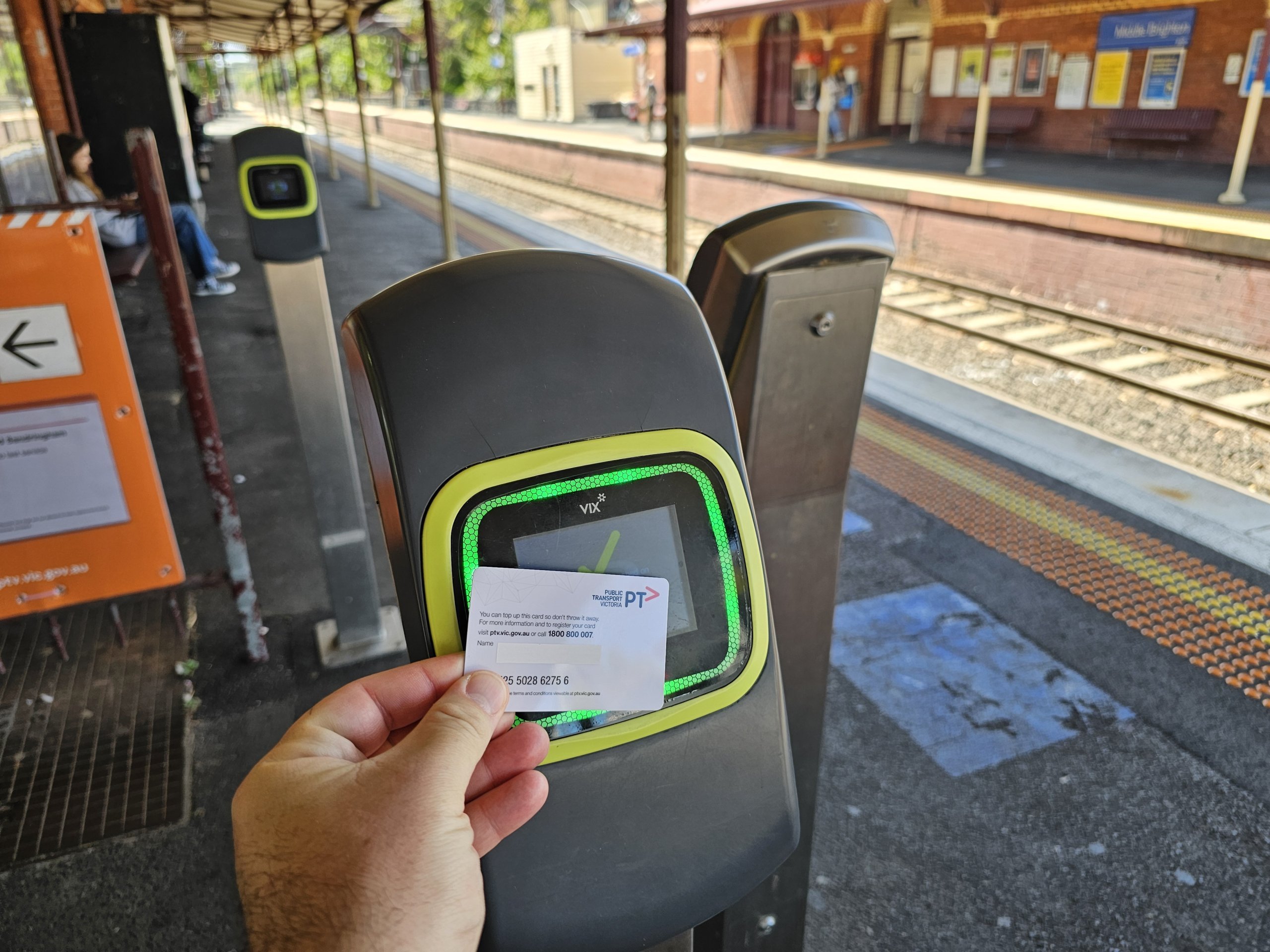
To pay foryour journey, you’ll need a mykicard (6 aud )or you can pay via Google Pay. Mobile payments are currently only available on Android phones and not on iPhones.
When purchasing a myki card, you must choose from two options:
Detailed information is available on this page:ptv.vic.gov.au/travel-with-myki.
Hold your card or your phone with myki enabled in Google Wallet against the turnstile when entering the station or against the validator on the platform.
You must also tap your card when exiting – always at the validator on the platform or the turnstile.
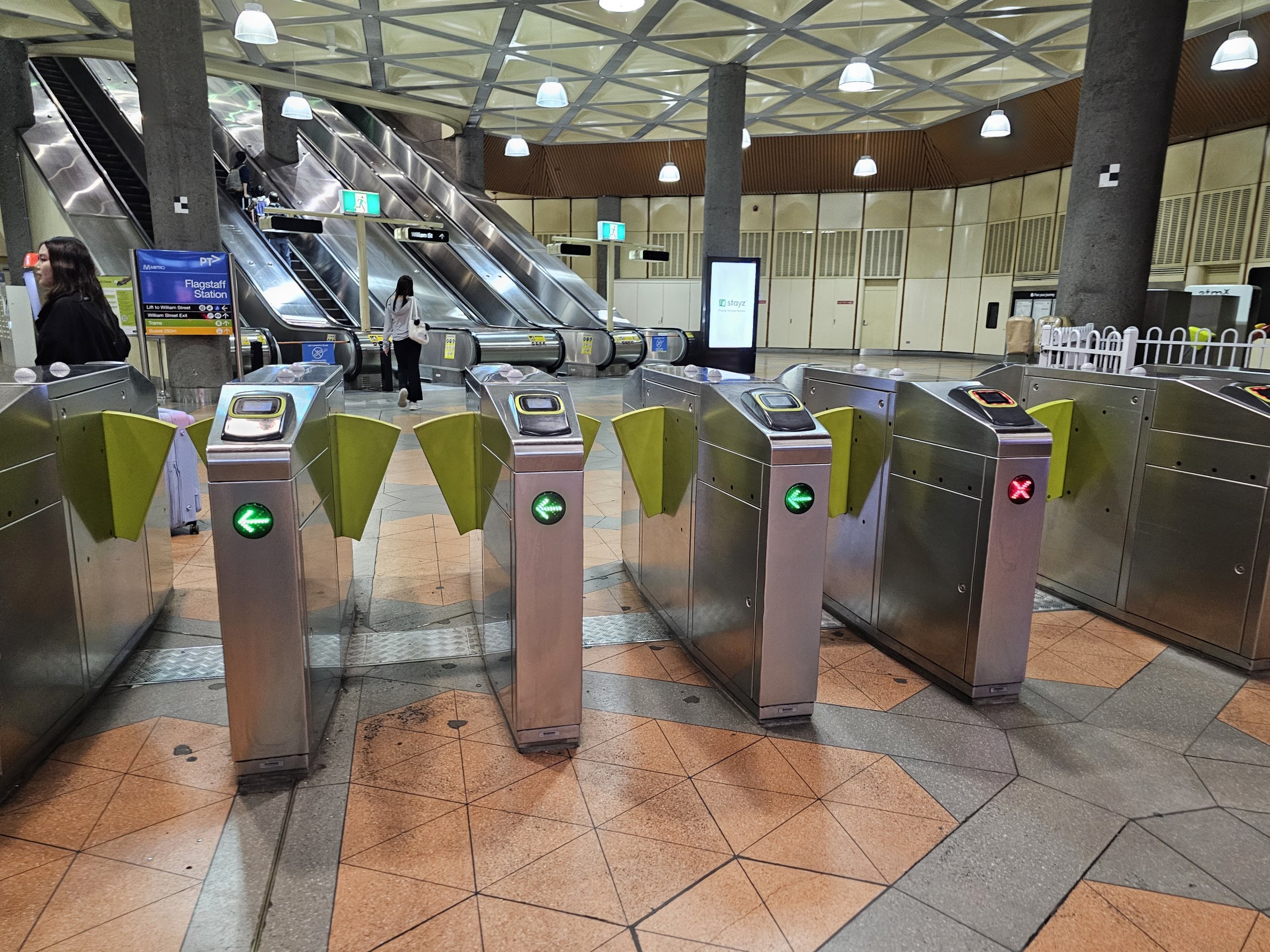
You can buy a myki card at many locations:
However, you cannot buy a physical myki card atMelbourne Airport.
You can top up your physical card at the locations mentioned above, as well as viathe PTV mobile app.
Melbourne has a total of six colour-coded metropolitan train lines. However, each line always branches out at its termini, and to make them easy to distinguish, the name of the terminus is used as the name of the entire route, in addition to the colour.
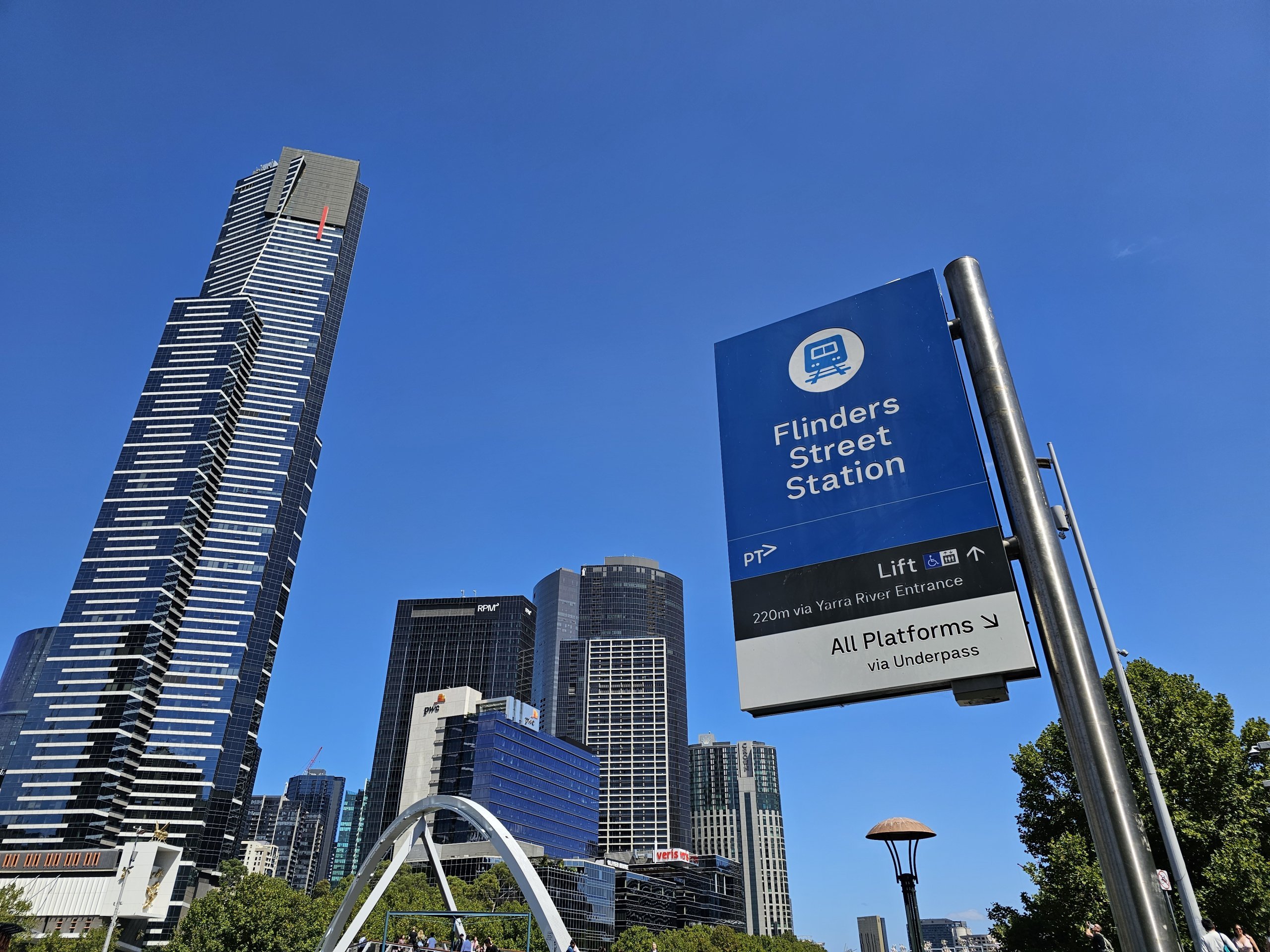
All lines converge at the central station, Flinders Street.
The red, yellow, light blue and dark blue lines in the city centre form the so-called City Loop – a circular route beneath the city centre.

If you’re heading into the city centre to one of the stations on the ‘City Loop’, pay attention to the direction in which that line travels around the loop.
Directions often change throughout the day, but they can be identified at a glance from the departure boards.
If a particular train is listed as via City Loop, the service will first travel along the northern (underground) section of the loop, which means:
If a specific train is marked Flinders Street, the service takes the quickest route to that station, which means:
These routes lead to tourist attractions:
Individual lines usually run from 5.30 am to 12.30 am on weekdays and Saturdays, and from 7.30 am on Sundays.
In the city centre, where all branches of a given line converge, the interval between trains is usually 5–8 minutes, whilst on the outlying branches it is typically 15–20 minutes.
On the nights from Friday to Saturday and from Saturday to Sunday, services run until around 2.00 am.
Full timetable information can be found on the websiteptv.vic.gov.au/timetables.
The metro trains are very spacious and clean, and travelling on the trains in Melbourne is safe.
Major stations in the city centre are equipped with toilets – all of which are free to use.
At all stations, there are vending machines on the platforms selling drinks, sweets and sandwiches, and you’ll often find various newsagents and mini-markets in the vicinity of the stations.

If you have any questions or comments about the article...